
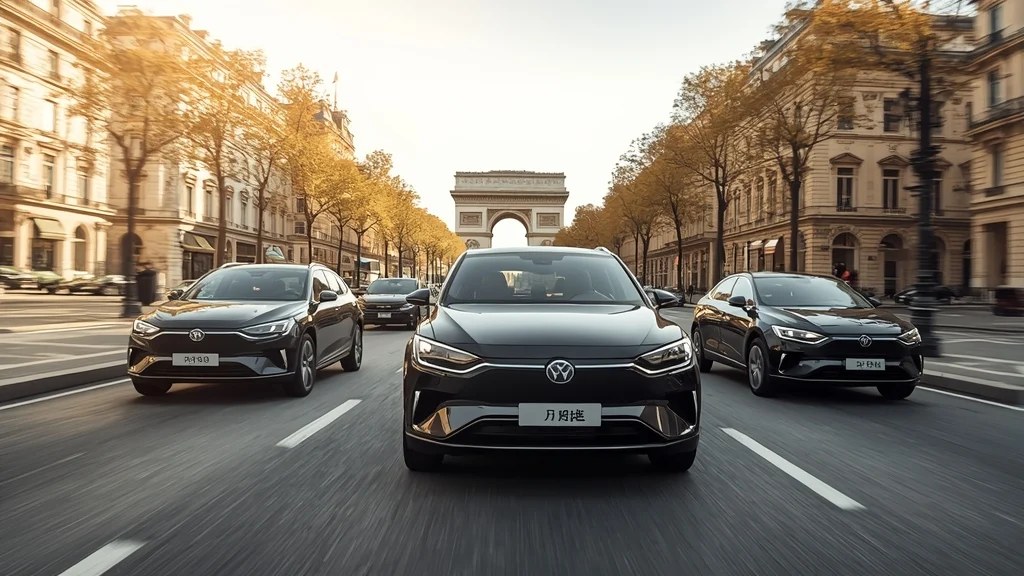
European car sales rise on electric demand as Chinese manufacturers grab market share. Learn the latest trends and what it means for the industry.
Europe’s auto market recorded a solid 3.6% rise in May, driven largely by a surge in electric‑vehicle registrations. While traditional gasoline and diesel sales fell sharply, Chinese manufacturers are capitalising on the shift and expanding their foothold across the continent.
Electric‑Vehicle Boom Fuels Overall Growth
According to the European Automobile Manufacturers Association (ACEA), a total of 1,152,523 new vehicles were registered in the EU, the UK and EFTA nations in May 2024. Over the first five months of the year, registrations are up 4.5% compared with the same period in 2023.
Battery‑electric cars (BEV) jumped 39.1%, plug‑in hybrids (PHEV) rose 13.2%, and conventional hybrids (HEV) increased 8.2%. Together, these three electrified segments accounted for more than two‑thirds (66.7%) of all new registrations in May.
Western Giants Lose Ground
Traditional European players are feeling the pressure. Sales at Renault, Stellantis and Volkswagen each slipped between 1% and 3% in May, reflecting intensified competition from newcomers.
Chinese Brands Post Explosive Gains
Chinese automakers are the standout performers:
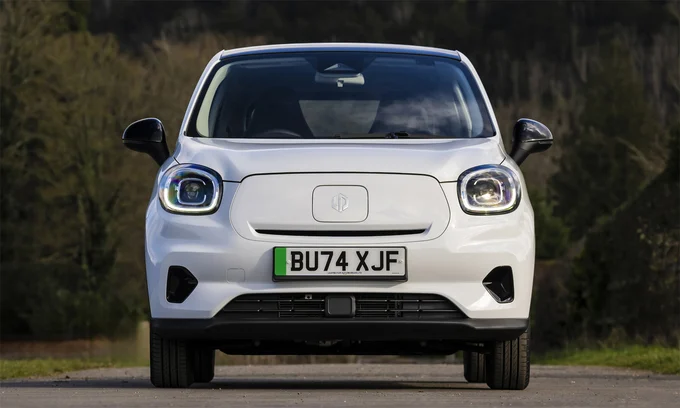
- Leapmotor: +465.1% YoY
- Chery: +244.1% YoY
- BYD: +136.6% YoY
- Geely: +12.6% YoY
- SAIC: +13.9% YoY
These figures underscore how quickly Chinese firms are converting their domestic momentum into European sales, especially in the fast‑growing EV segment.
Tesla’s Resurgence
Even the American EV leader is bouncing back, with a 107.9% increase in new registrations in May – 28,610 units – marking the fourth consecutive month of growth after a year‑long decline.
European Makers Seek Alliances
Faced with rapid Chinese expansion, European manufacturers are turning to collaboration. More companies are joining the Eclipse Foundation, a major open‑source software hub. Notably, Stellantis and Traton have become members, following earlier participation by BMW, Mercedes‑Benz and Volkswagen, as well as key suppliers such as Bosch, ZF Friedrichshafen and Schaeffler.
Stellantis’ entry is especially significant because the group controls a wide portfolio of brands – Peugeot, Citroën, DS, Fiat, Alfa Romeo, Abarth, Maserati, Lancia, Opel and Vauxhall – giving it a broad platform to accelerate technology adoption.
Challenges Ahead for Traditional Automakers
European OEMs now face a dilemma. Pushing development too fast could lead to immature products that alienate customers, while a cautious “wait‑and‑see” approach risks falling further behind the swift‑moving Chinese competitors.
The race to dominate Europe’s electrified future is heating up, and the next few years will determine which manufacturers can keep pace with the rapid evolution of the market.