
Discover how E10 gasoline works safely with modern cars, expert tips for older models, and essential maintenance advice. Read more now!
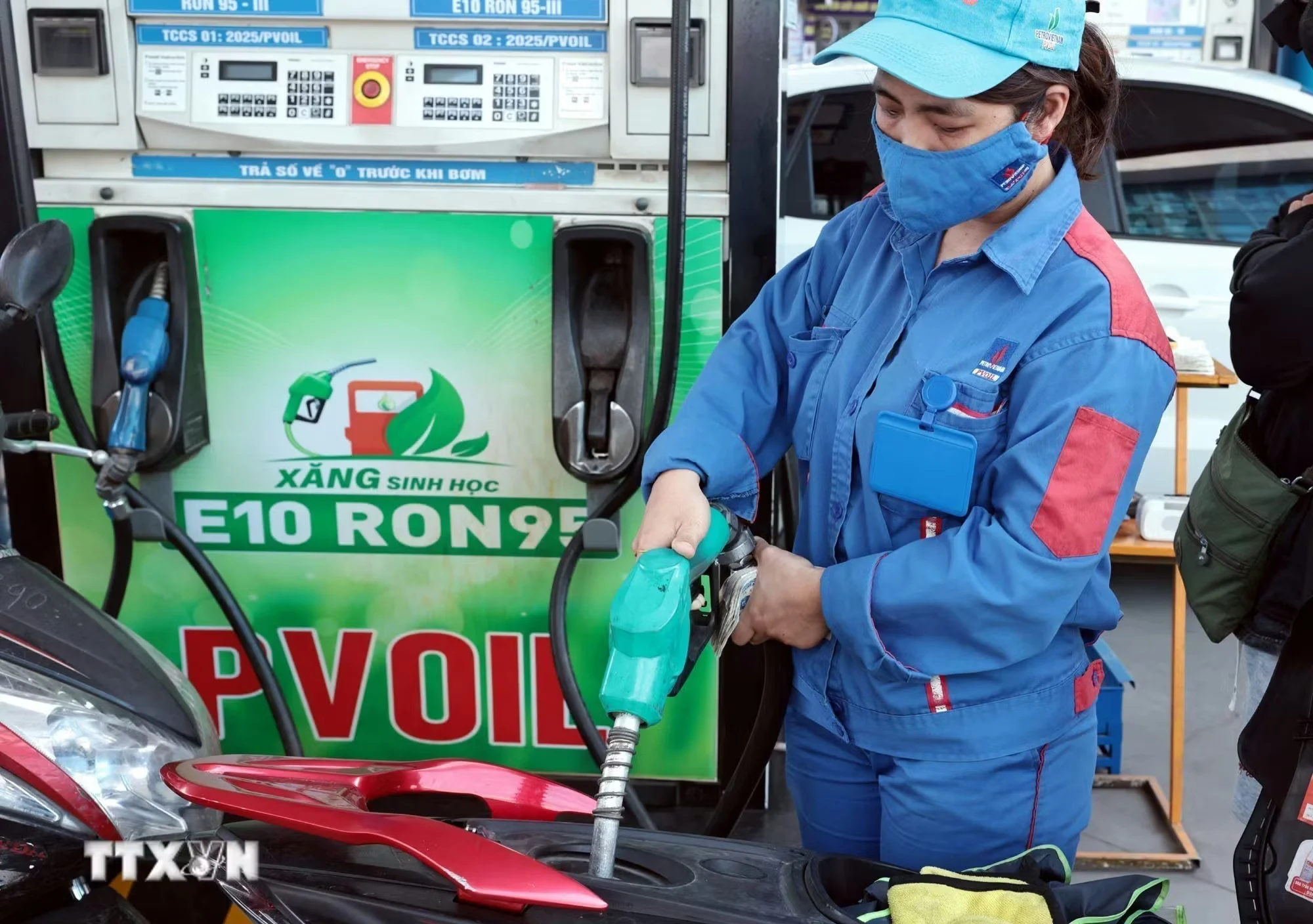
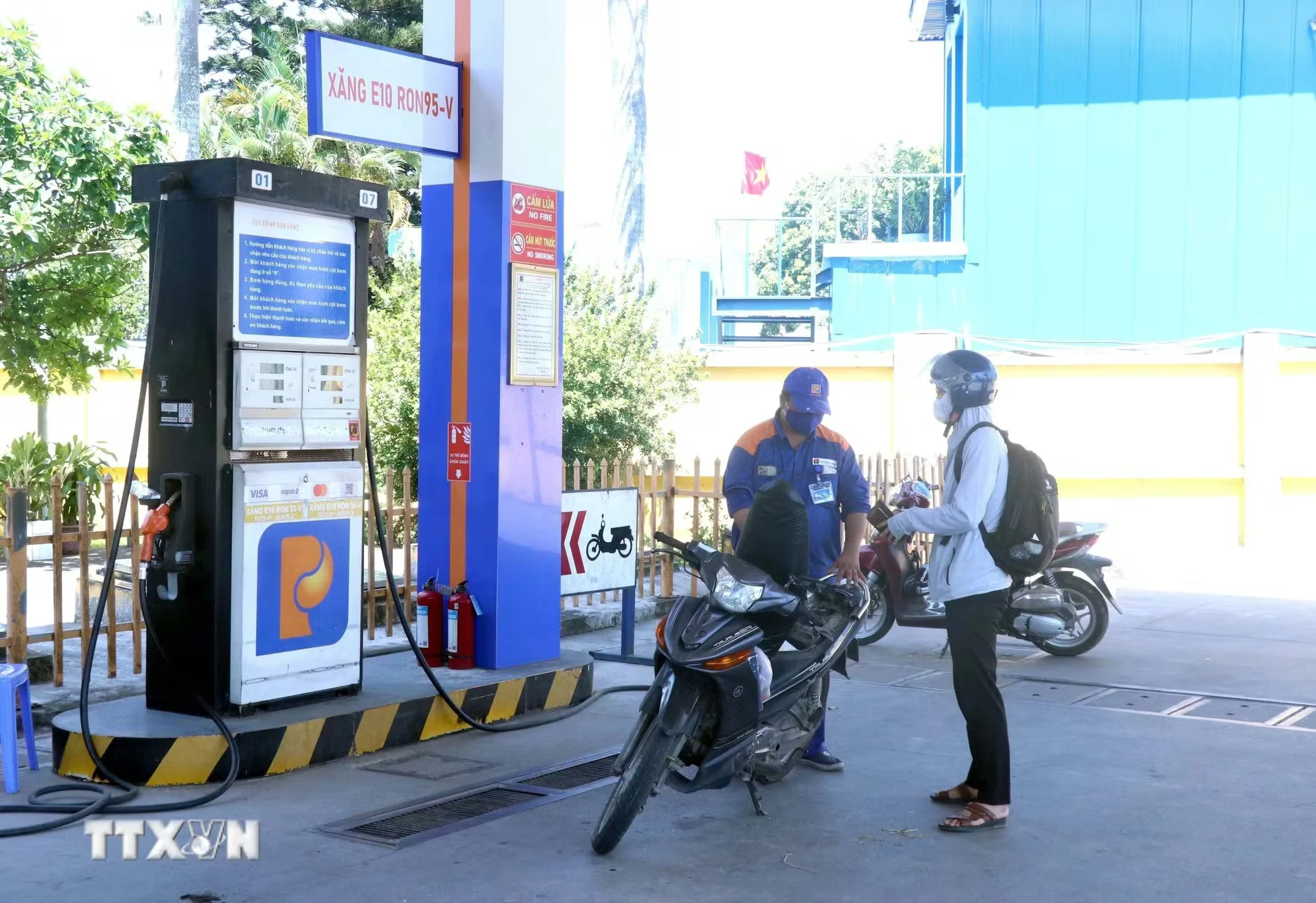
From June 1, 2024, Vietnam’s fuel stations will start dispensing E10 – a blend of 10% ethanol and 90% gasoline – across the country. The move is part of the government’s clean‑fuel roadmap, but many motorists wonder whether this bio‑fuel could harm their engines or increase maintenance costs.
What Is E10 and Why Is It Being Introduced?
E10 is an ethanol‑enhanced gasoline that helps reduce carbon emissions while keeping the fuel compatible with most modern vehicles. Countries such as Thailand, Indonesia, Brazil and many European markets have been using E10 for years.

VAMA’s Assurance on Engine Safety
Dạo Công Quyết, head of the Communications Sub‑Committee at the Vietnam Automobile Manufacturers’ Association (VAMA), told reporters that the majority of new‑model cars sold in Vietnam are already engineered to run on E10 without any modifications.
“All new vehicles from our member manufacturers are designed with ethanol‑resistant fuel‑system components – from the tank and pump to the injectors and seals. When you use fuel that meets the national standard QCVN 01:2022, corrosion or premature rubber degradation is not a concern,” he explained.
Older Cars: What Drivers Should Do
While newer models are ready out of the box, VAMA recommends owners of older vehicles take a few precautionary steps before switching to E10:
- Visit an authorised dealer for a quick inspection of fuel‑system parts such as seals, hoses and filters.
- Replace any components that show signs of wear or that were not originally specified as ethanol‑compatible.
- Follow the manufacturer’s service schedule and use only fuel that complies with the national ethanol‑blend standard.
Common Myths Debunked
Some social‑media posts claim that E10 can cause engine knocking, loss of power or higher repair bills. According to VAMA, these issues usually stem from using fuel with the wrong octane rating or from contamination (water, debris) – not from the ethanol blend itself.
E10 actually has an octane rating equal to or higher than regular gasoline, which can improve combustion stability. As long as the car is properly maintained, drivers should not experience “fuel starvation” or “engine hesitation.”
Maintenance Tips for All Drivers
To keep the fuel system in top condition, VAMA highlights two simple habits:
- Do not let a vehicle sit idle for long periods with a low fuel level. Ethanol is hygroscopic and can absorb moisture from the air, leading to water accumulation in the tank.
- Replace the fuel filter according to the schedule recommended by the vehicle maker. A clean filter ensures that the fuel reaching the engine remains free of contaminants.
Building Consumer Trust
VAMA stresses that transparent communication is key to gaining public confidence. The association calls for coordinated efforts among regulators, fuel producers, automakers and the media to share clear, science‑based information about E10.
When the government announces rollout plans, fuel suppliers must guarantee that the product meets the national specifications. Automakers, in turn, should proactively inform customers about the compatibility of each model and guide them on any necessary checks or part replacements.
Bottom Line
E10 is not a new, untested experiment – it is a globally accepted fuel that helps cut emissions while remaining compatible with modern engines. Vietnamese drivers can safely adopt E10 by using certified fuel, keeping up with regular service, and, for older cars, confirming that fuel‑system components are ethanol‑ready.
Ready to make the switch? Talk to your dealer today and enjoy cleaner driving without compromising performance.