
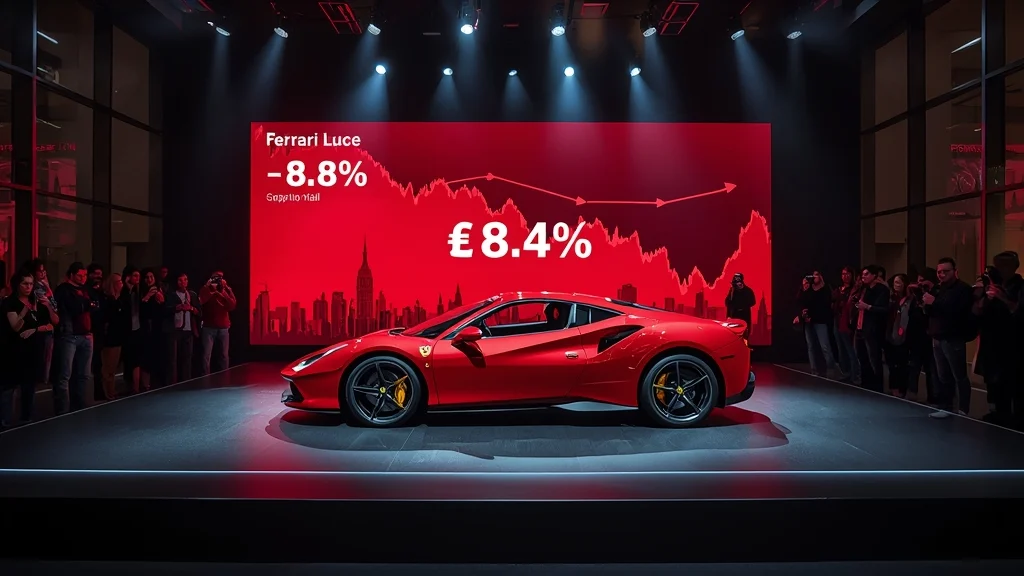
Ferrari’s first fully electric supercar, the Luce, has sparked an 8% share plunge and a wave of design criticism. Discover the controversy and its impact on the luxury EV market. Read more now!
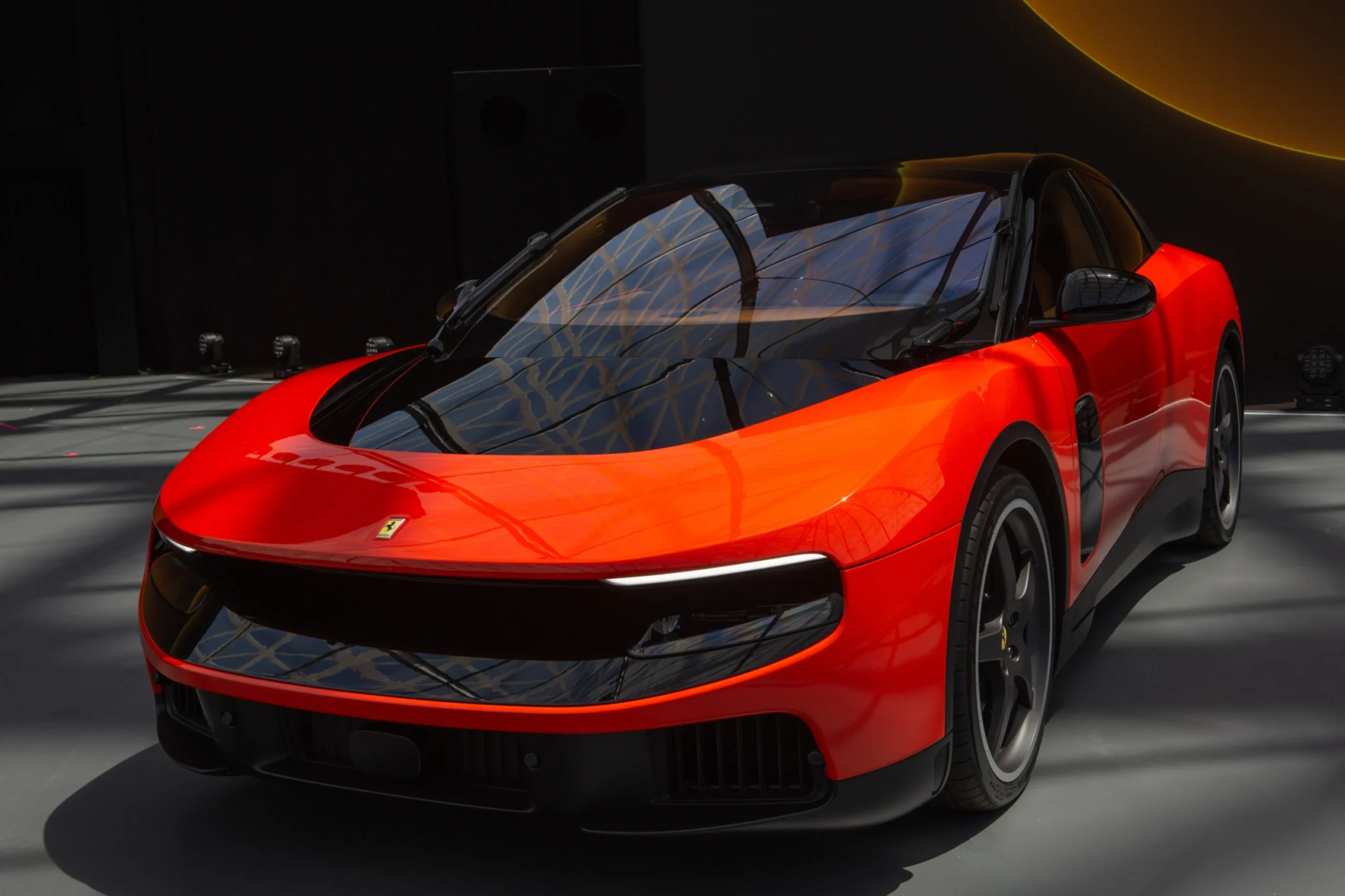
Ferrari unveiled its first fully electric supercar, the Luce, in Milan on 26 May 2026. The launch, meant to signal the prancing horse’s entry into the high‑performance EV arena, instead sparked a sharp sell‑off in the company’s shares and a torrent of negative reactions from enthusiasts, investors, and industry insiders.
Market Reaction: Shares Take a Hit
Within minutes of the reveal, Ferrari’s Milan‑listed stock slumped 8.4%, while its New York‑listed ADR fell 5.1% by 15:50 GMT. The tumble followed a brief rally earlier in the session and marked the steepest single‑day decline since the brand’s 2022 earnings release.
Analysts at AcomeA SGR, a major shareholder, noted that the market’s disappointment was not merely about the car’s aesthetics; it reflected deeper concerns over Ferrari’s strategic shift toward electrification and the potential dilution of its heritage‑driven pricing power.
Design Backlash: A New Look That Doesn’t Feel Ferrari
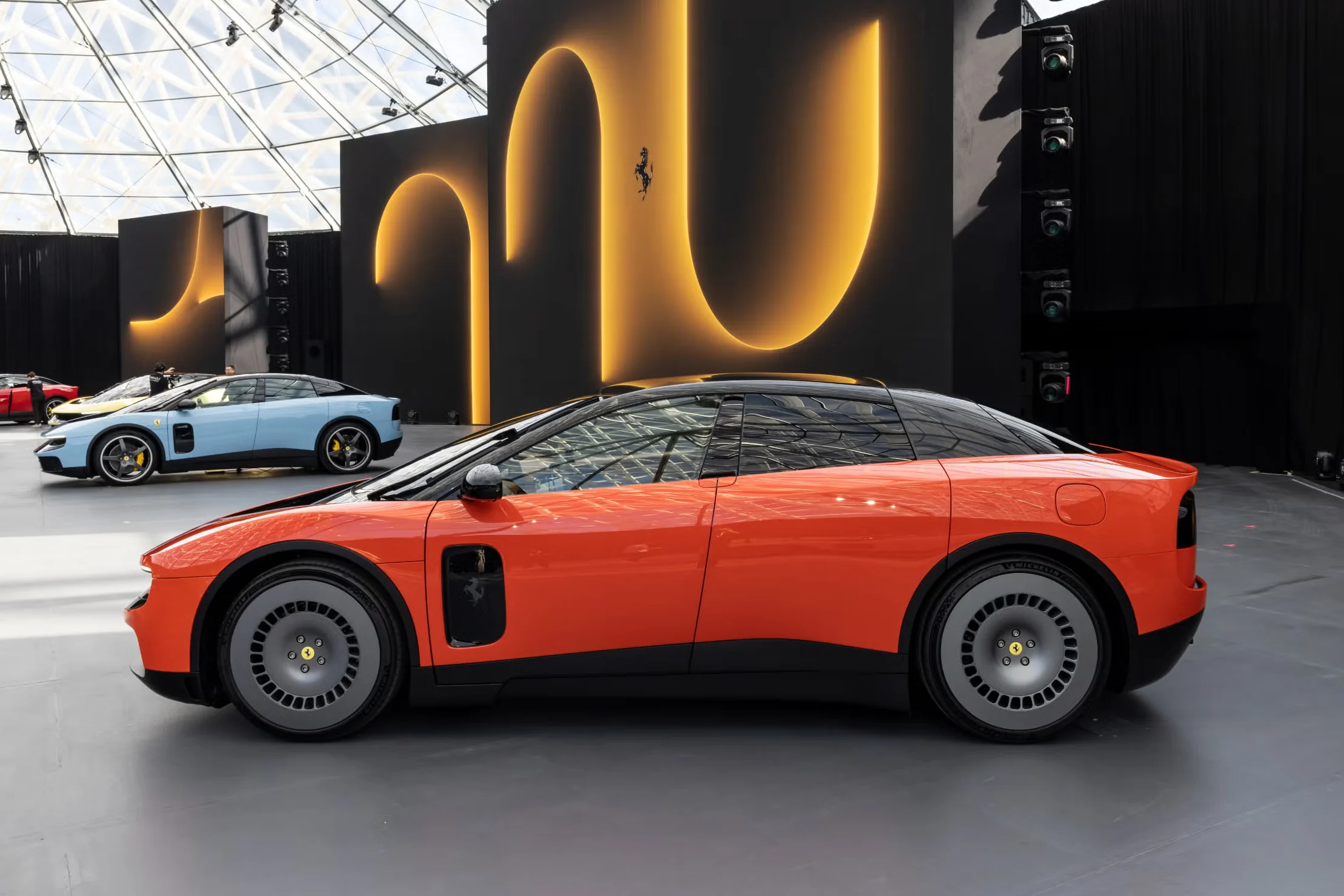
The Luce’s four‑door sedan silhouette—designed in collaboration with Jony Ive’s studio LoveFrom—has been described by many as “lacking the iconic Ferrari DNA.” Italian Deputy Prime Minister and Transport Minister Matteo Salvini took to X (formerly Twitter) to lament, “It looks nothing like a Ferrari. Is this what they call innovation? I wonder what Enzo would say.”
Former Ferrari chief Luca Cordero di Montezemolo, who led the marque for more than two decades, called the model “a betrayal of the brand’s history” and suggested the company should remove the prancing horse logo from the vehicle entirely.
Social Media Storm
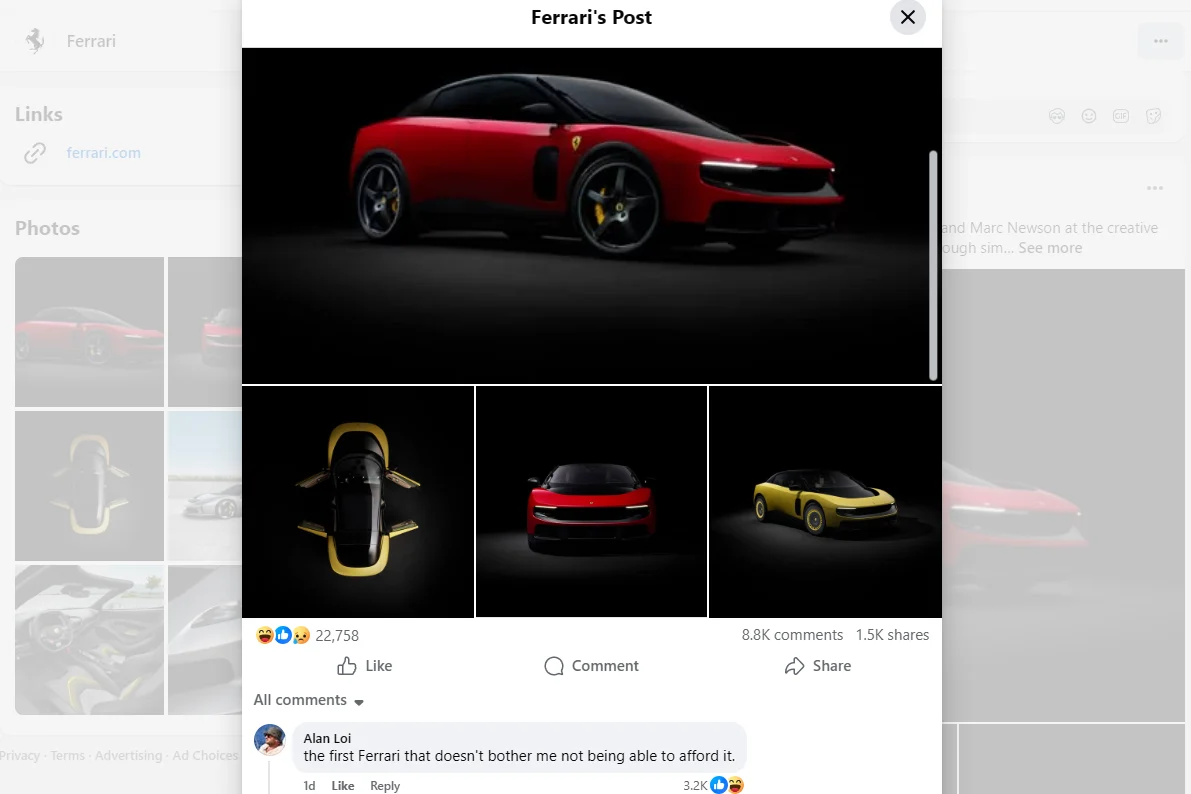
Within 24 hours, the official Facebook post announcing the Luce amassed nearly 23,000 interactions, but the sentiment was overwhelmingly negative: over 11,000 users reacted with “Haha,” 5,700 with “Like,” and 3,800 with the “Huhu” emoji. Commenters mocked the design, likening it to an “Apple Magic Mouse” and joking that “the Fiat Multipla finally has competition.” Many urged Pininfarina to return to Ferrari’s design helm.
Specs, Pricing, and Target Audience
The Luce is positioned as a luxury four‑door, five‑seat sedan with a starting price of €550,000 (approximately $640,000). It promises instantaneous torque, a range suited for premium city driving, and a design language intended to appeal to a new generation of affluent tech entrepreneurs—particularly in markets such as China and the Silicon Valley corridor.
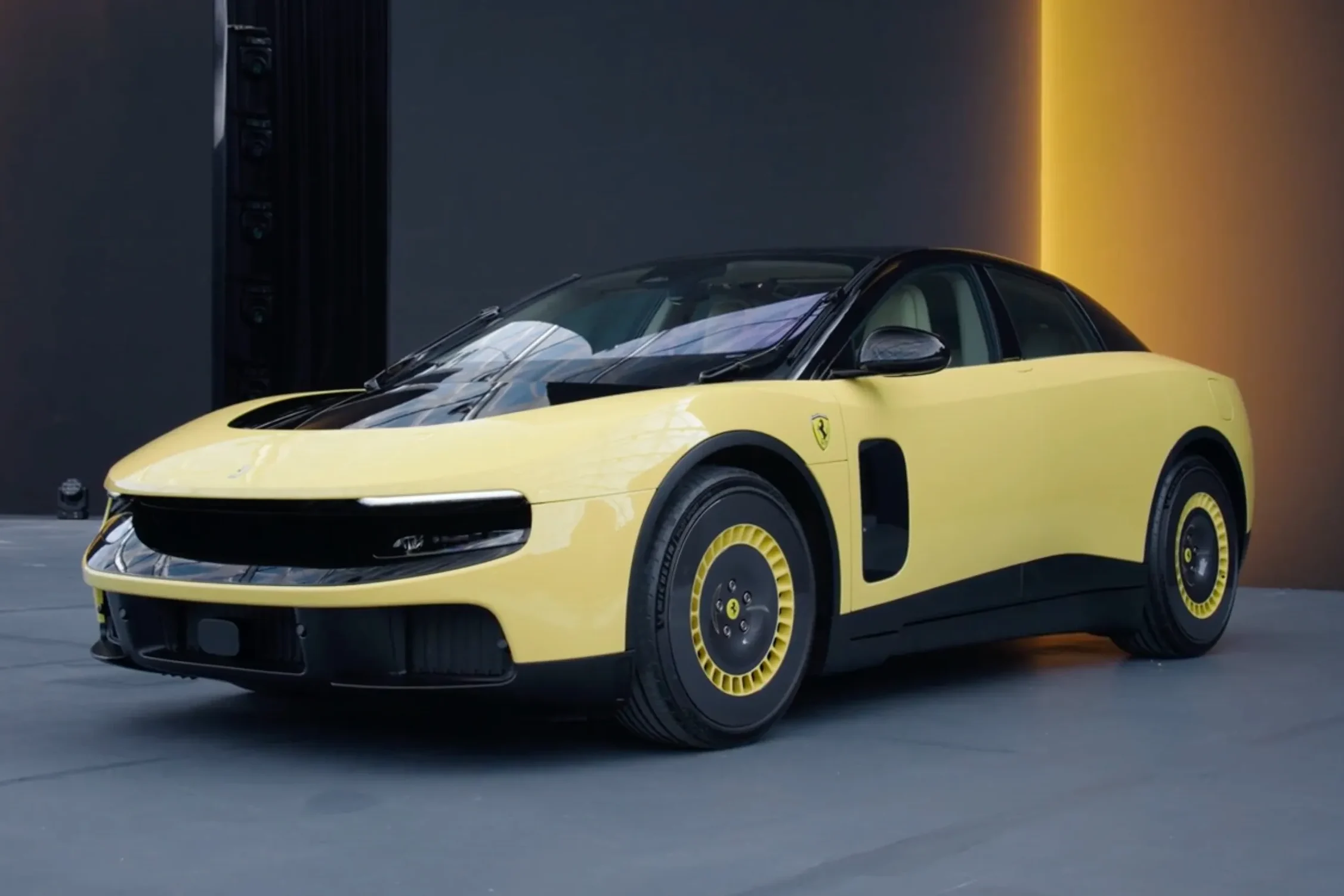
Production is slated to begin in Q4 2026, with deliveries aimed at high‑net‑worth customers who value cutting‑edge electrification but still crave the cachet of the Ferrari badge.
Strategic Outlook: Balancing Heritage and Electrification
Ferrari’s leadership argues that the Luce is a necessary step to diversify its customer base beyond traditional collectors and track‑day enthusiasts. The brand hopes to capture a slice of the rapidly expanding luxury EV segment, especially in China where electric vehicles now command a growing share of high‑end sales.
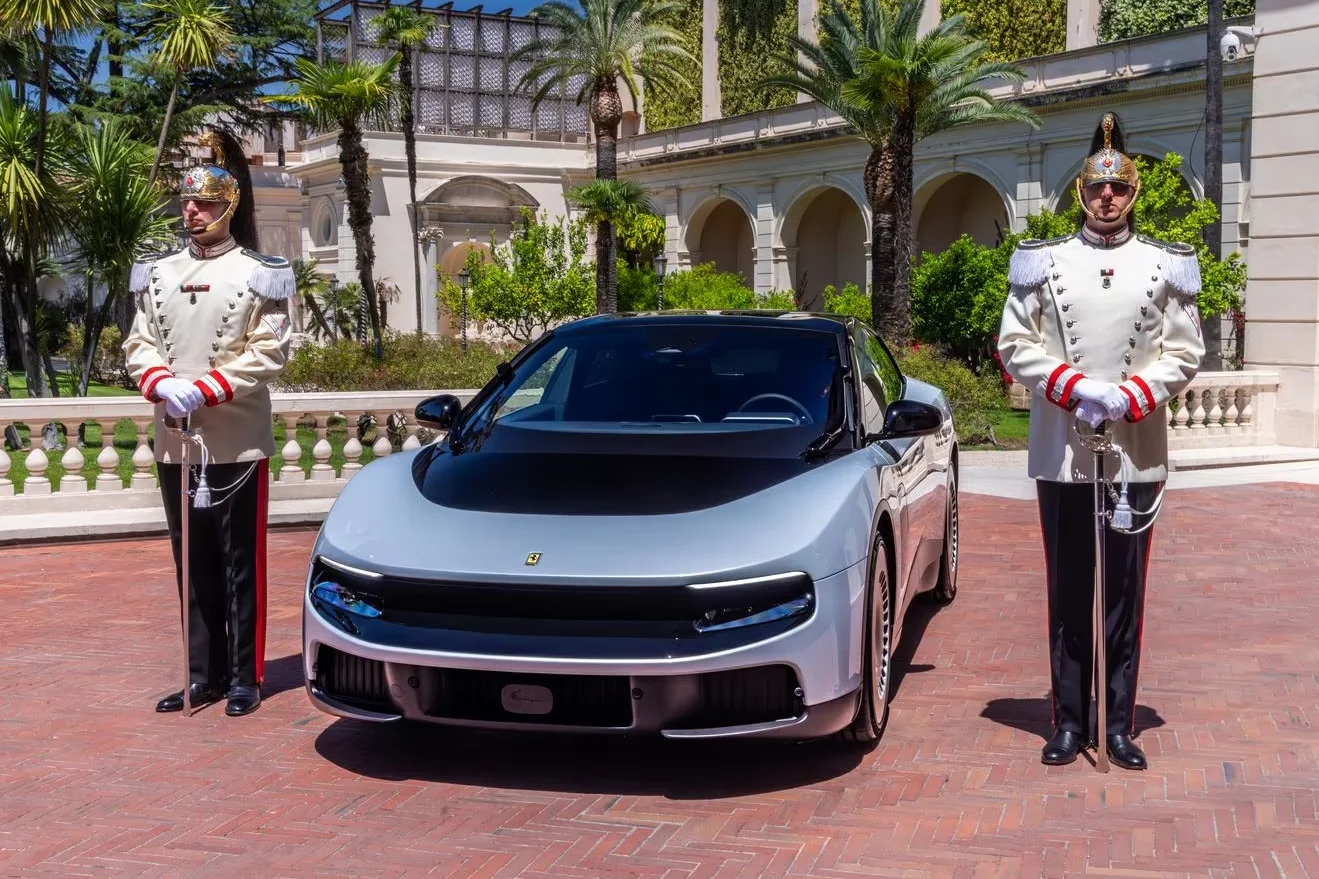
However, industry observers warn that the transition to electric powertrains poses a branding dilemma. Maintaining the visceral sound and handling characteristics that define a Ferrari while delivering silent, instant torque is a tightrope walk that could alienate core fans if not executed flawlessly.
Analyst Perspective
Fabio Caldato of AcomeA SGR summed up the market mood: “The market is penalising Ferrari not only for a disappointing design but also for the broader uncertainty around expanding the lineup into electric vehicles.” Reuters has reported that Ferrari postponed the launch of its second EV model to at least 2028, underscoring a cautious approach amid volatile luxury EV demand.
What’s Next for the Prancing Horse?
As the Luce rolls out to early adopters, the brand faces a pivotal test: can it preserve the emotional connection that has defined Ferrari for decades while embracing the clean‑energy future? The answer will likely hinge on how well the company can fuse performance, design, and heritage into a compelling electric proposition.
Stay tuned for updates on delivery timelines, real‑world performance data, and how the market ultimately reacts to Ferrari’s bold electric experiment.