

Explore how Vietnam’s car market balances price cuts and feature upgrades, from the Ford Ranger to BYD Dolphin. Discover which strategy fits you—read now!
Vietnam’s automotive landscape is in the middle of a fascinating experiment: manufacturers are either slashing prices or loading cars with more equipment, sometimes both at the same time. The latest moves by Ford, BYD, Geely, Mazda and Lynk & Co illustrate how the market is trying to balance consumer demand for affordability with a growing appetite for high‑tech features.
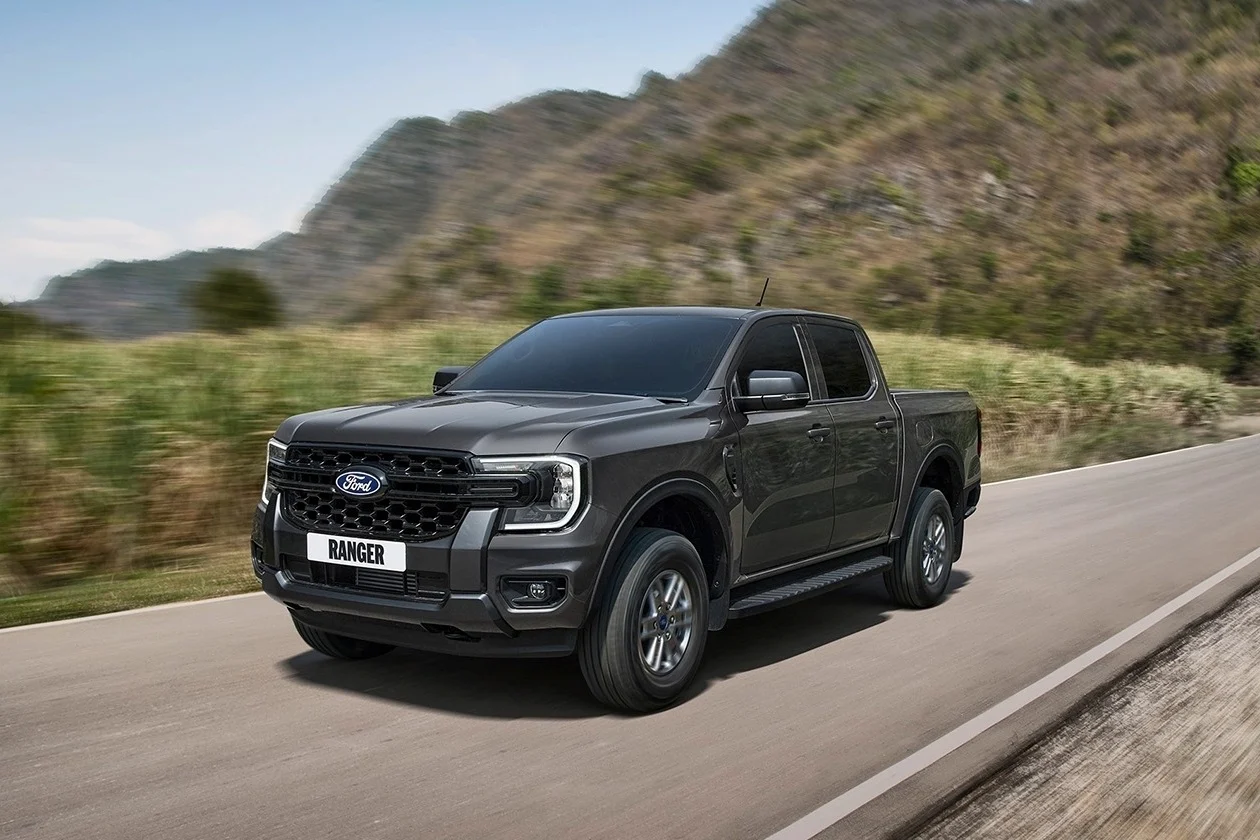
Ford Ranger: More Tech, Same Tag
At the start of July, Ford Vietnam announced a comprehensive refresh for the 2026 Ranger lineup. The most eye‑catching detail? The price‑point stayed virtually unchanged.
- The entry‑level XLS now ships with a 12‑inch infotainment screen that supports wireless Apple CarPlay and Android Auto.
- Dual‑zone automatic climate control and rear‑vent air vents become standard.
- All models now come only with a 10‑speed automatic transmission; the old 6‑speed manual and 6‑speed auto are gone.
- Standard equipment includes power‑folding mirrors, LED taillights, USB‑C fast‑charging ports for rear passengers and a cup‑holder integrated into the AC vent.
- Warranty coverage was extended to five years or 150,000 km, whichever comes first.
Pricing remains steady: the XLS starts at VND 707 million, the Wildtrak diesel 2.0 L is VND 949 million (down VND 30 million), while the top‑end Raptor 3.0 L still commands VND 1.448 billion. By keeping the sticker price flat while adding technology, Ford is essentially “selling more for the same money,” a strategy that has already helped the Ranger dominate the Vietnamese pickup segment.
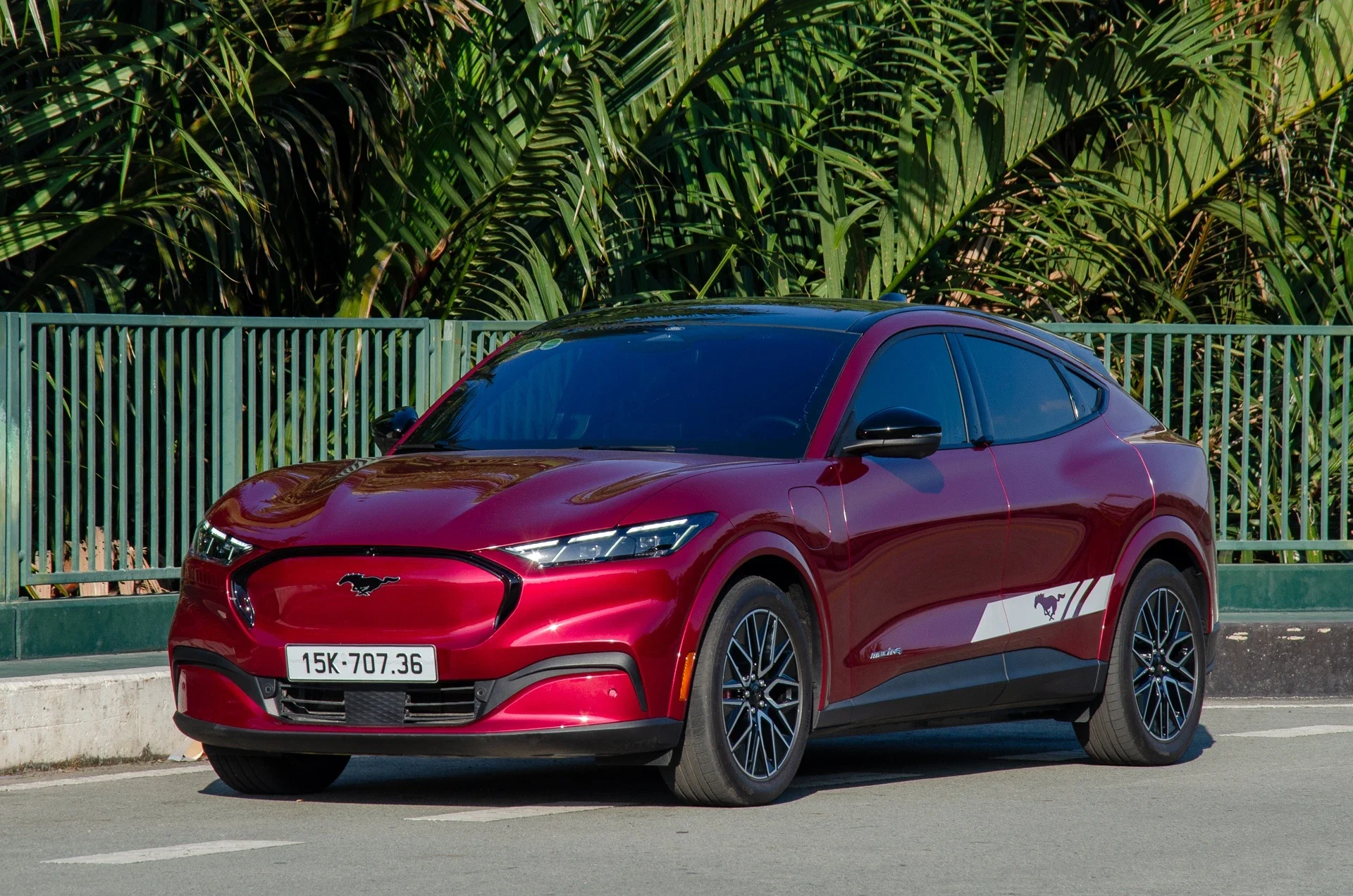
Contrasting Moves: Discounts vs. Feature‑Rich Packages
Ford’s approach differs sharply from its recent treatment of the all‑electric Mustang Mach‑E, which saw a steep discount that pushed the price toward VND 1.7 billion. Other brands are also playing both sides of the equation:
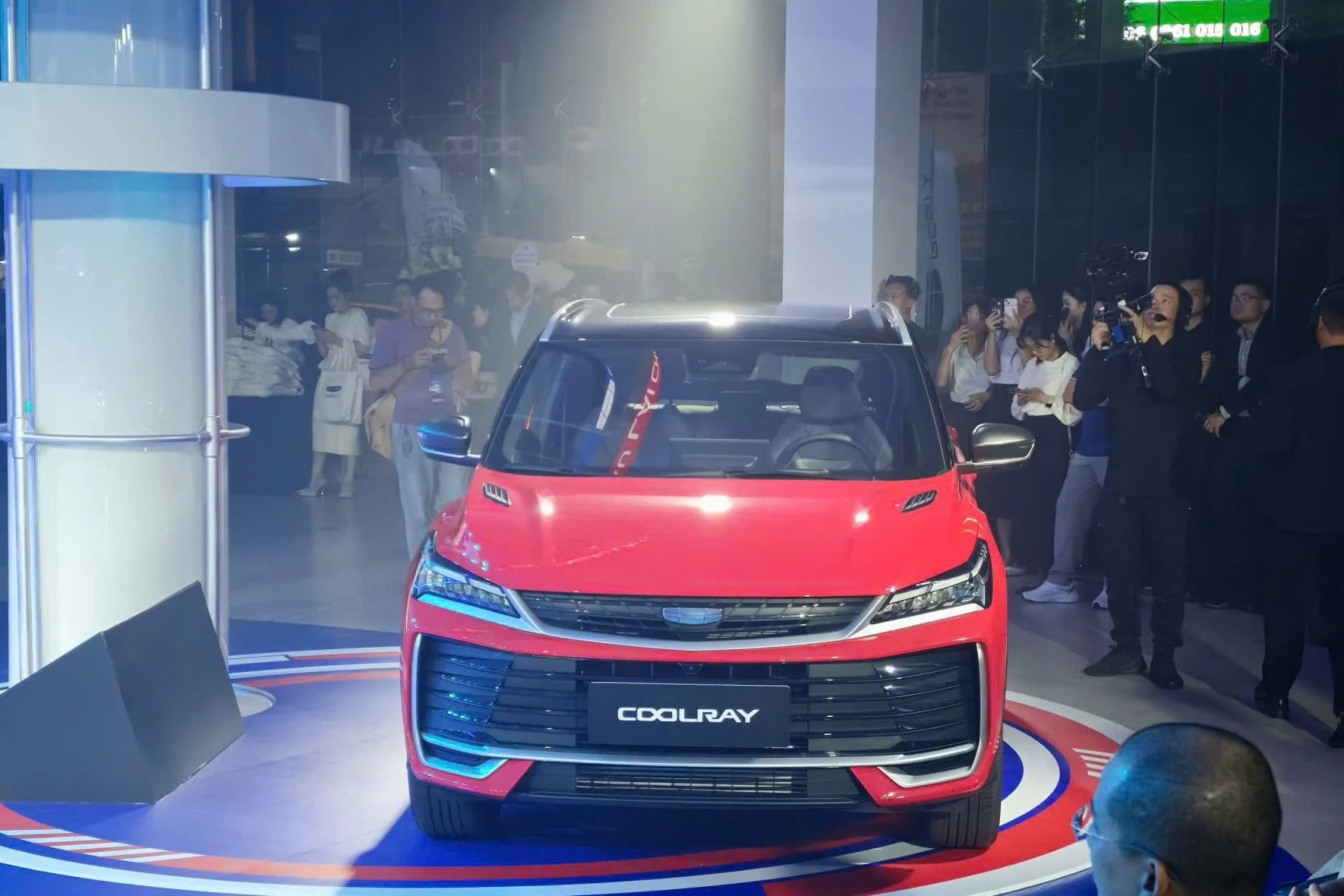
Geely Coolray 2026
The Chinese‑made Coolray received a fresh exterior and a more modern cabin layout, but the top‑trim lost the automatic parking‑assist system. Prices now sit between VND 499 million and VND 599 million, a noticeable dip from the original VND 538‑628 million range.
BYD Dolphin 2026
BYD switched its import source from China to Thailand, trimming the price from VND 659 million to VND 569 million. Early‑bird buyers can snag the model for VND 499 million. While the 12.8‑inch central screen no longer rotates 90°, the new 50.25 kWh battery extends the NEDC‑rated range to about 435 km per charge.
Mazda Adjustments
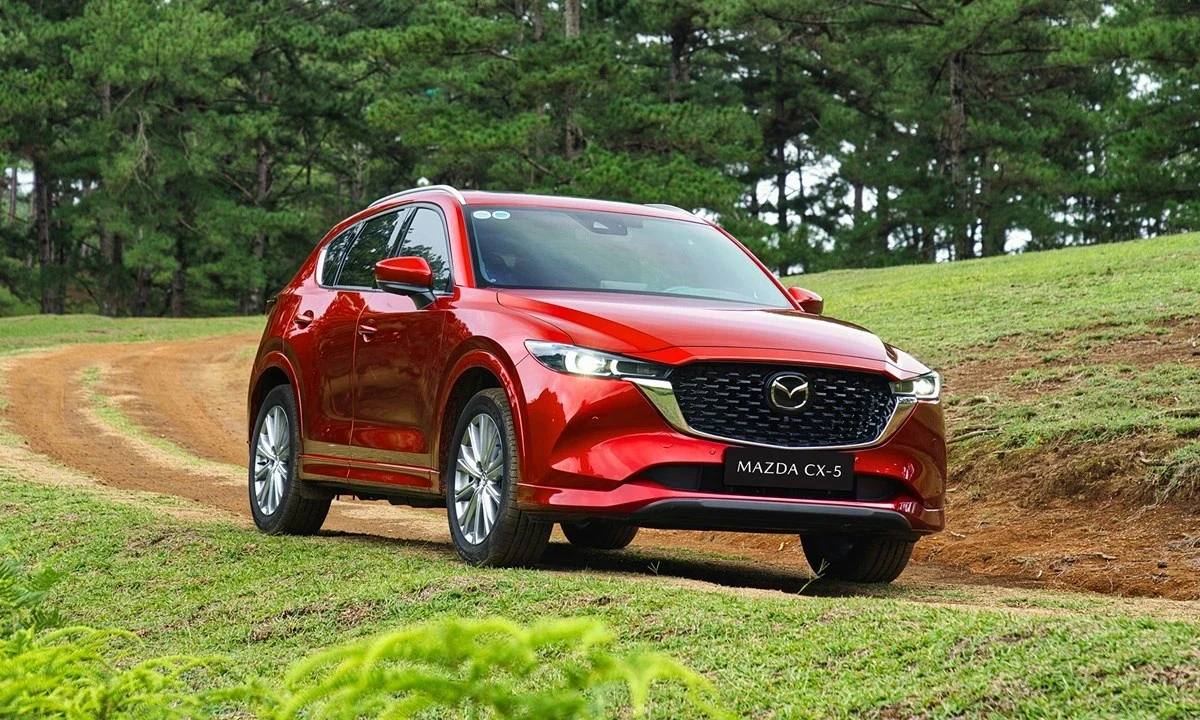
In April, Mazda introduced a 2.0 L Deluxe CX‑5 for VND 699 million, shaving VND 50 million off the previous Deluxe version by removing a few comfort items (thermal film, tire‑pressure monitor, roof rack, rescue kit and decorative exhaust trim). Similar cost‑cutting tweaks followed for the CX‑8 and Mazda3, where the 2.0 L Luxury SUV lost VND 50 million and the 1.5 L Deluxe sedan dropped VND 30 million.
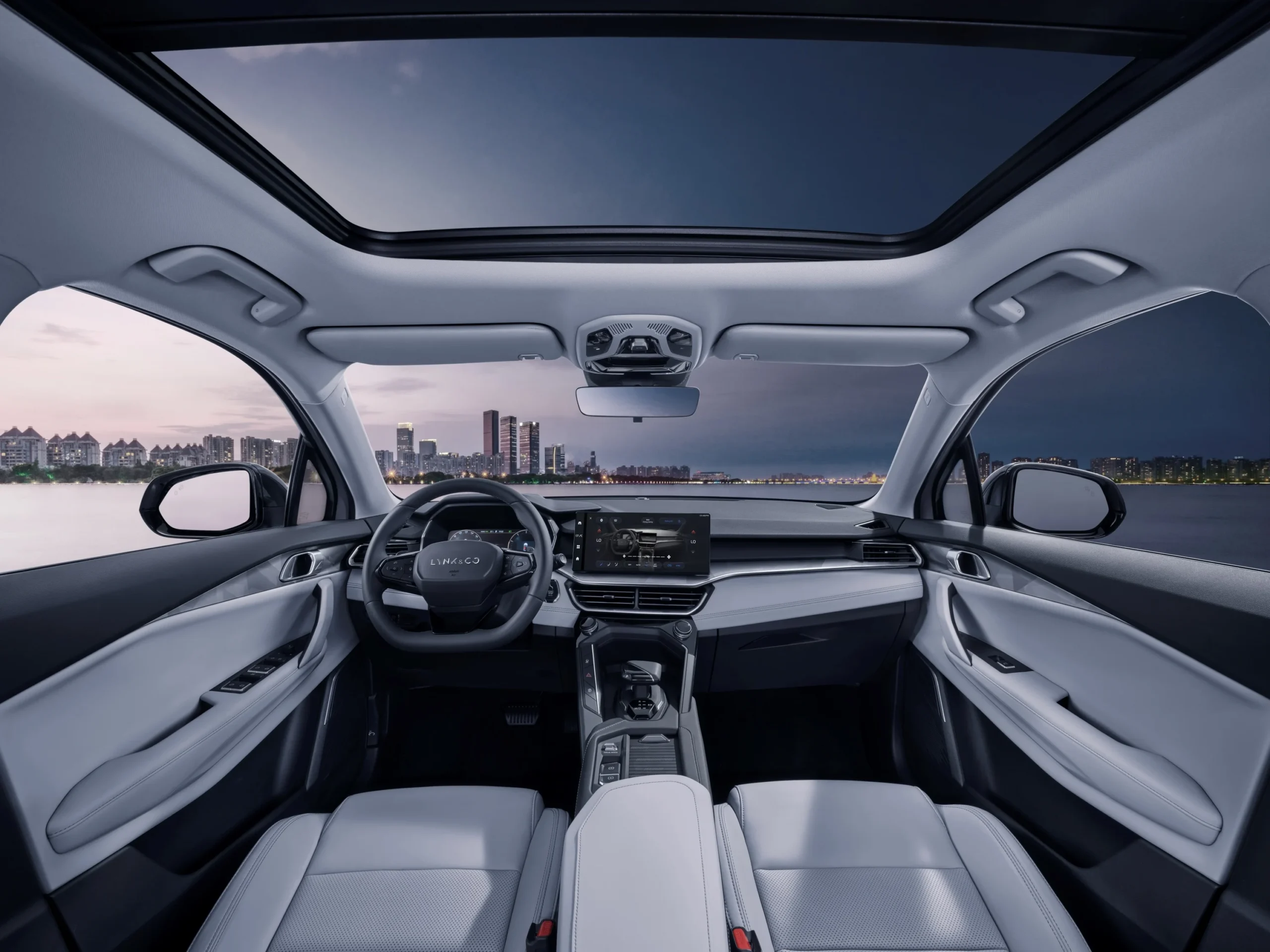
Lynk & Co 06 Core Plus
The latest Core Plus edition of the B‑segment Lynk & Co 06 is priced at VND 679 million—about VND 50 million cheaper than the Hyper Pro version released a year earlier. The savings come from the removal of dual‑zone climate control, one‑touch glass lift, driver‑seat anti‑pinch, and an advanced ADAS suite.
What Do Vietnamese Buyers Want?
These divergent tactics raise a critical question: do consumers in Vietnam prioritize a lower purchase price or a richer feature set?
When the market leans toward practicality, discount‑driven models can thrive. Buyers who view features like ADAS or wireless smartphone integration as “nice‑to‑have” may welcome a VND 50‑million price cut, even if it means losing a few bells and whistles.
Conversely, a growing segment of Vietnamese motorists—especially younger, tech‑savvy professionals—are beginning to expect a higher baseline of equipment. For them, a stable price paired with added technology feels like better value, and they are willing to pay a premium for it.
Implications for the Future
Ford, BYD and Geely appear to be betting that the Vietnamese market is shifting toward “value‑rich” vehicles—cars that deliver a strong equipment package at a reasonable price. The modest price reductions on entry‑level trims suggest they are still catering to price‑sensitive buyers, but the emphasis on upgraded infotainment, connectivity and warranty extensions indicates a pivot toward quality.
Brands that simply slash prices without enhancing the product risk creating a perception of “cheap” rather than “affordable.” On the other hand, manufacturers that add features while keeping the price steady (or only slightly higher) can position themselves as premium‑value players, potentially capturing higher margins and stronger brand loyalty.
Bottom Line
Vietnam’s car market is at a crossroads. The success of the 2026 Ford Ranger—unchanged in price but richer in tech—shows that many buyers are willing to pay the same amount for a more capable vehicle. At the same time, the price cuts on models like the Geely Coolray and BYD Dolphin demonstrate that there remains a sizable audience looking for the lowest possible entry price.
For consumers, the choice boils down to personal priorities: a lower sticker price or a more fully‑equipped ride. For manufacturers, the challenge is to read these signals correctly and strike the right balance between discounting and feature upgrades.
Whatever the strategy, one thing is clear: Vietnamese drivers are no longer satisfied with the bare minimum. They want cars that feel worth the money spent—whether that value comes from a discount or from a richer set of features.