
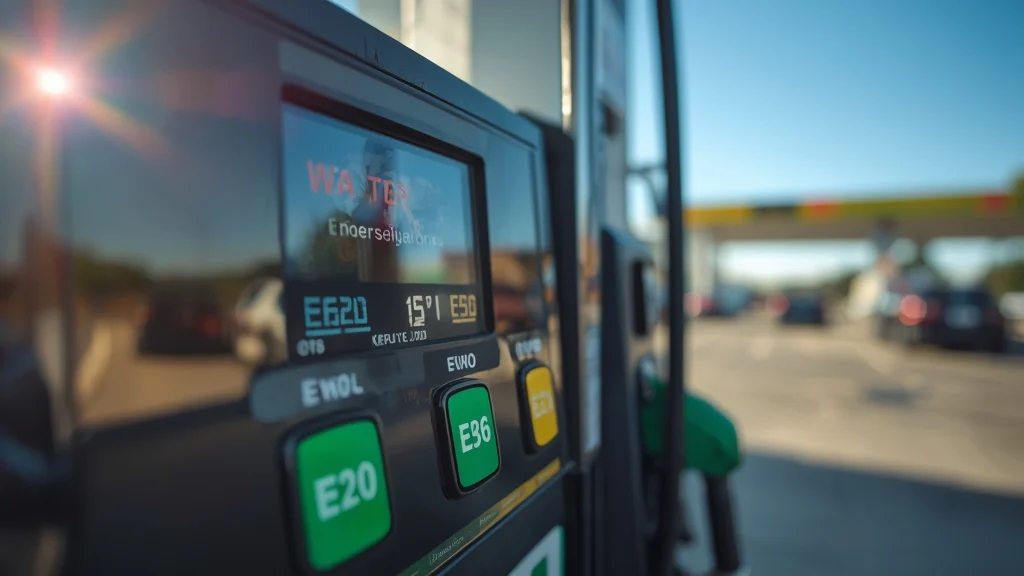
Explore how the US, Brazil, Thailand and others are adopting ethanol‑blended gasoline (E20‑E100) to cut costs, cut oil dependence, and protect the environment. Learn more!
Governments worldwide are turning to ethanol‑blended gasoline as a strategic tool to lower fuel prices, shrink reliance on imported oil, and curb greenhouse‑gas emissions. From the United States to Brazil, Thailand and India, a growing number of countries are rolling out high‑blend fuels such as E20, E85 and even E100.
United States: Early Adoption of E15 and E85
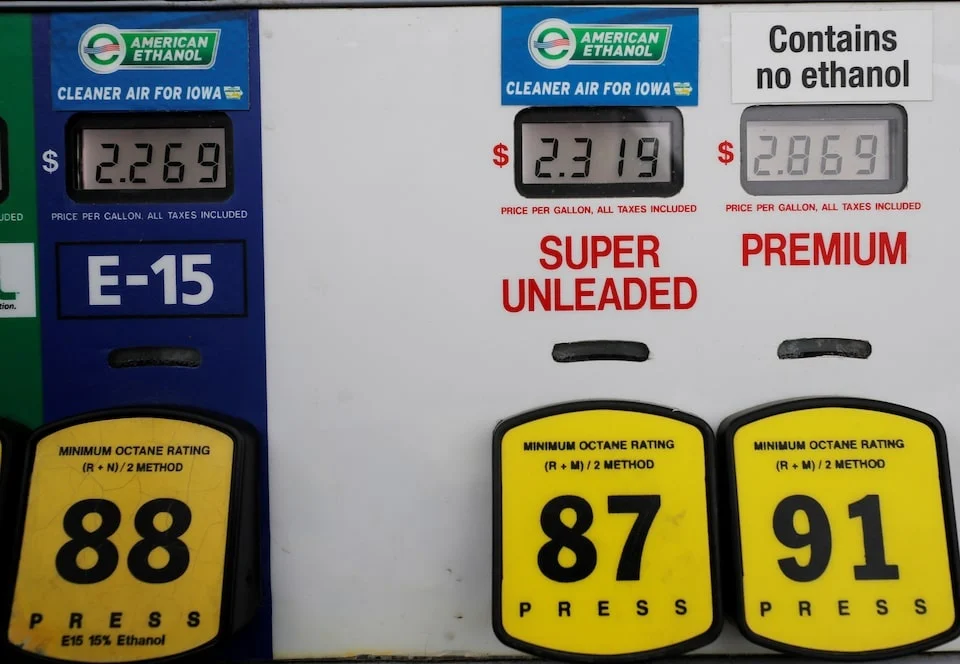
In 2011 the U.S. Environmental Protection Agency approved the use of E15 (15% ethanol) for light‑duty vehicles built after 2001. By 2012 Kansas stations began selling E15 widely, and today the blend is available across most states. The 2005 Energy Policy Act later mandated that refiners incorporate a significant share of renewable ethanol into the national fuel pool, paving the way for E85 – a 85% ethanol blend – which is sold at dedicated flex‑fuel vehicle (FFV) stations. FFVs feature onboard sensors that automatically adjust fuel injection and ignition timing to match the ethanol content.
Brazil: Pioneering E27, E35 and Even E100
Brazil has long been a leader in ethanol fuels. Since 2015 the country required a minimum of 27% ethanol in gasoline (E27). A new “Fuel for the Future” law signed in 2024 sets the blend range between 27% and a possible 35% (E35), depending on market conditions and decisions by the Ministry of Mines and Energy. By August 2025 technical regulations will allow a 30% blend.
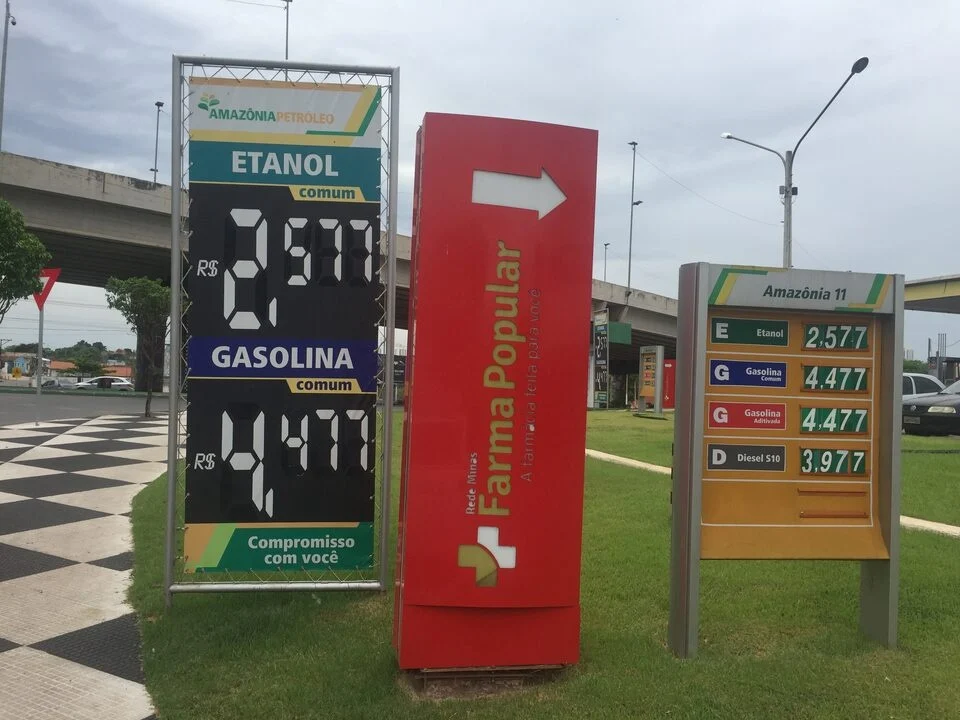
Brazil also offers E100 – essentially hydrous ethanol containing about 95‑96% alcohol and 4‑5% water – derived from sugarcane. Introduced in the 1970s, E100 costs roughly 70% less than conventional gasoline, but it is limited to FFVs and typically incurs a 30% higher fuel consumption rate.
Argentina: Moving Toward Higher Ethanol Blends
Following Brazil’s example, Argentina now mandates a 12% ethanol blend (E12) for all domestic gasoline. Energy officials are actively discussing higher thresholds to further reduce the nation’s dependence on volatile imported oil.

Thailand: Leading Southeast Asia with E20 and E85
Thailand leverages abundant domestic cassava and sugarcane to promote higher‑ethanol fuels. E20 – 20% ethanol mixed with RON 95 gasoline – is widely available and clearly labeled at pumps. Deep tax incentives keep E20 cheaper than both E10 and traditional gasoline. The country also supplies E85 for vehicles specifically engineered for high‑blend ethanol use.
India: Nationwide Push for E20
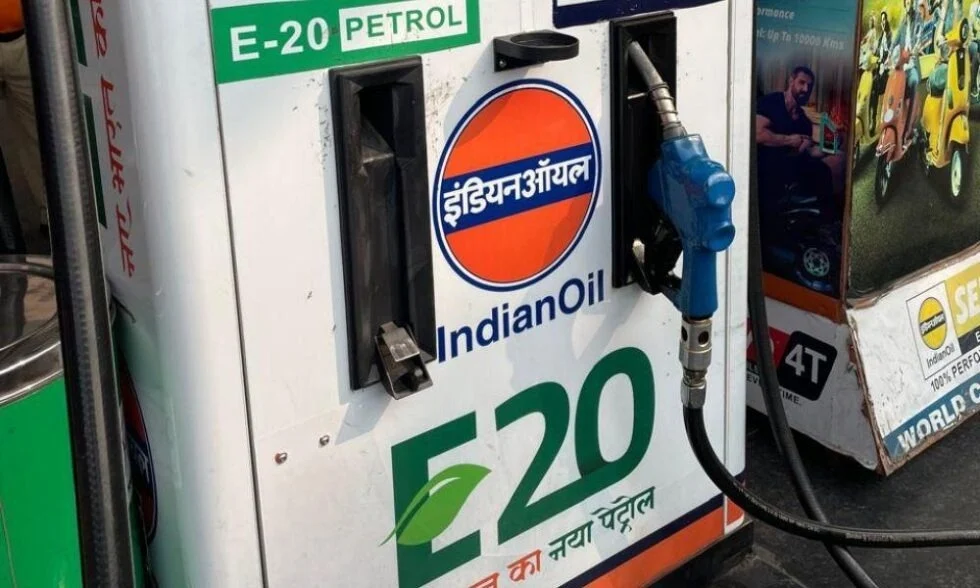
India is accelerating its biofuel transition, aiming to make E20 the standard gasoline blend across the country. The government’s target is to cut crude‑oil imports by expanding the use of locally produced ethanol. New vehicle models launched in India are being built to operate seamlessly on E20, ensuring broad compatibility.
Why High‑Blend Ethanol Fuels Matter
Increasing ethanol content in gasoline helps nations unlock several benefits:
- Domestic agriculture utilization: Surplus crops such as sugarcane, corn or cassava become valuable feedstocks for fuel.
- Emission reductions: Ethanol burns cleaner than petroleum, lowering CO₂ and particulate outputs.
- Energy security: Diversifying the fuel mix reduces exposure to global oil price swings.
- Cost savings: In many markets, ethanol‑rich blends are significantly cheaper than conventional gasoline.
While high‑blend fuels like E85 and E100 require compatible vehicles and may increase fuel consumption, the overall environmental and economic advantages are driving a rapid global shift. As more countries adopt blends ranging from E20 to E100, the world moves closer to a more sustainable, resilient energy future.