
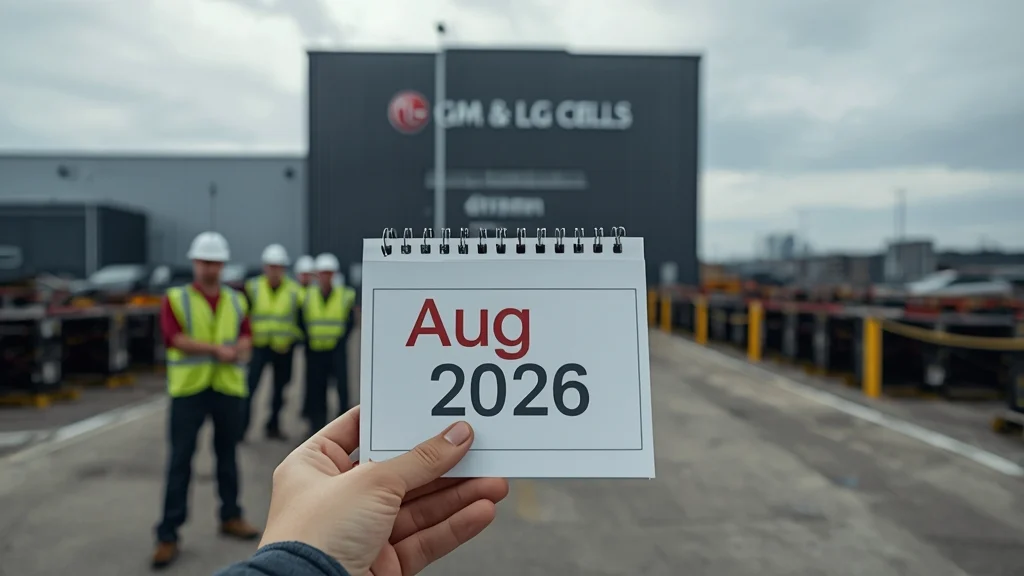
GM and LG Energy Solution push back the restart of their Ohio electric‑vehicle battery plant to August 2026 amid weak U.S. EV demand. Read more now.
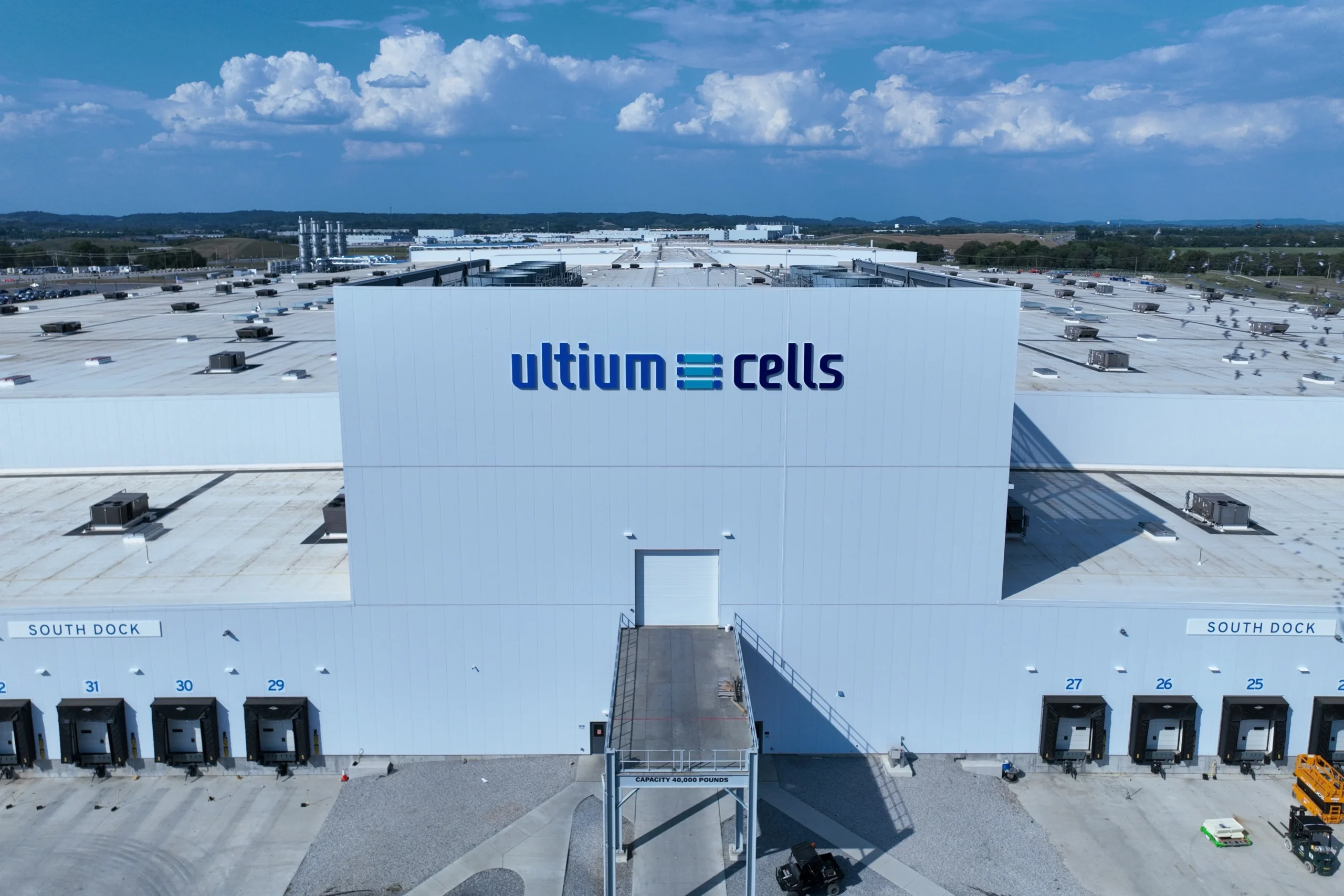
General Motors (GM) and LG Energy Solution’s joint venture, Ultium Cells, announced another postponement for the restart of its electric‑vehicle (EV) battery factory in Warren, Ohio. Workers who were slated to return in June will now stay on standby until August 2026, as the U.S. EV market continues to under‑perform expectations.
What led to the delay?
In an internal memo shared with staff, Ultium Cells explained that a “detailed analysis of the EV market” conducted earlier this year revealed weaker demand than anticipated. The company therefore decided to shift the planned workforce re‑hire date from June to August 2026.
Impact on the workforce
The Ohio plant, which supplies battery packs for GM’s lineup of electric models, originally announced a temporary layoff of about 850 employees in Q3 2025, along with a permanent cut of 480 positions. A small group of workers was brought back on a limited basis this month, but the majority remain on hold.
Broader market context
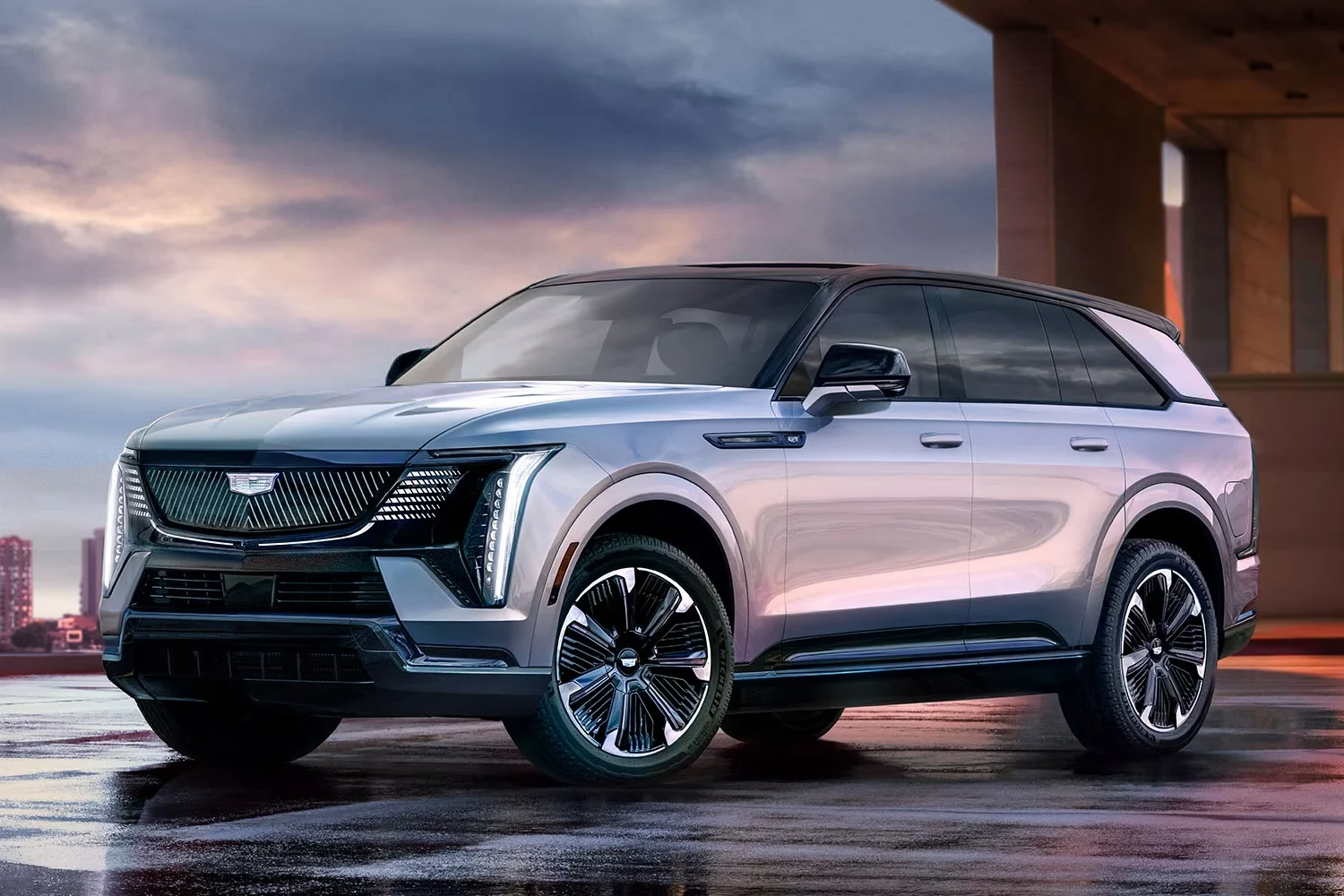
The slowdown mirrors a wider trend across the U.S. auto industry. After the federal $7,500 tax credit for EV purchases expired at the end of September 2025, many manufacturers, including GM, trimmed production volumes to align with actual consumer demand. While EV sales still continue, the shift toward hybrid models has accelerated as buyers seek a more balanced approach to electrification.
What’s next for Ultium Cells?
Ultium Cells’ latest move underscores that the U.S. EV market has yet to meet the growth targets set by automakers and battery suppliers. The company, along with other players in the supply chain, will likely keep adjusting production schedules and staffing levels as the market evolves.
Key takeaways
- GM and LG’s battery joint venture delays the plant restart to August 2026.
- Approximately 850 workers remain on temporary layoff; 480 jobs have been eliminated permanently.
- The decision reflects weaker U.S. EV demand after the federal tax credit sunset.
- Hybrid vehicle sales are rising, reshaping automakers’ product strategies.
- Supply‑chain partners must stay flexible amid ongoing market uncertainty.
Stay tuned for further updates on how the EV sector adapts to shifting consumer preferences and policy changes.