
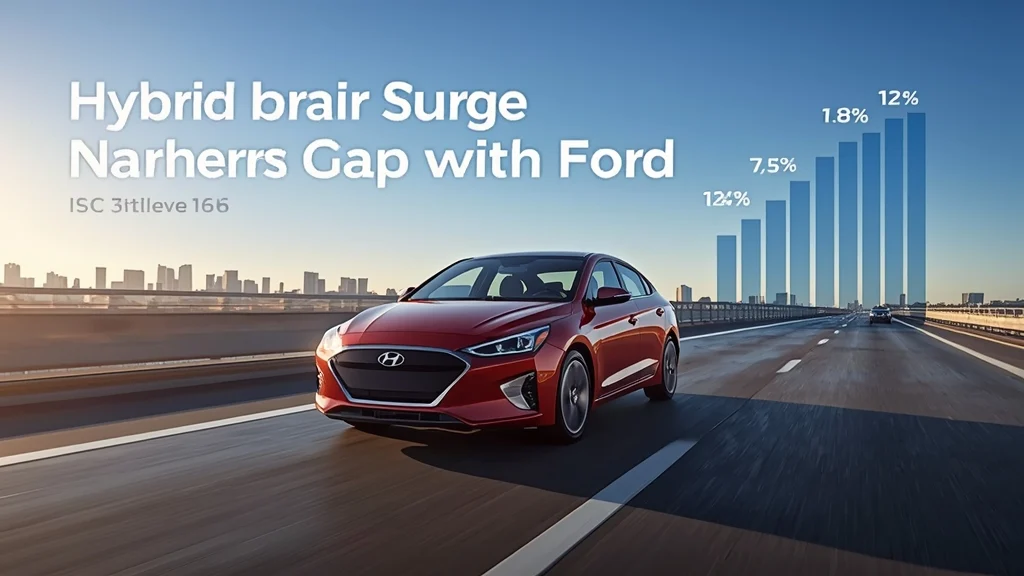
Hyundai’s hybrid sales boost its US market share to 11.8%, closing in on Ford. Learn how the Korean automaker is reshaping America’s car market – read more now.
Strong Q1‑Q2 Performance Across the Board
According to market‑research firm Omdia, Hyundai Motor Group – which includes both Hyundai and Kia – sold a combined 589,936 vehicles in the United States from January through April 2026. That represents a modest 1.3% year‑over‑year increase.
Hyundai itself delivered 310,218 cars, up 0.4% from the same period last year, while Kia posted 279,718 units, a 2.2% rise.
US Auto Market Still Shrinking
Overall vehicle registrations in the United States for the first four months of 2026 topped 5 million, but that figure is down 6.7% compared with the same timeframe in 2025. Domestic manufacturers fell 9.5% to 2.01 million units, Japanese brands slipped 4.7% to 1.95 million, and European makes dropped 11.5% to 464,205 units.
Hyundai‑Kia Capture 11.8% of the Market
The combined market share of Hyundai and Kia rose to 11.8% in the Jan‑Apr window, a full percentage point higher than the 10.8% they held a year earlier. The duo now sits fourth in the U.S. hierarchy, trailing General Motors (17.1%), Toyota (15.8%) and Ford (12.2%).
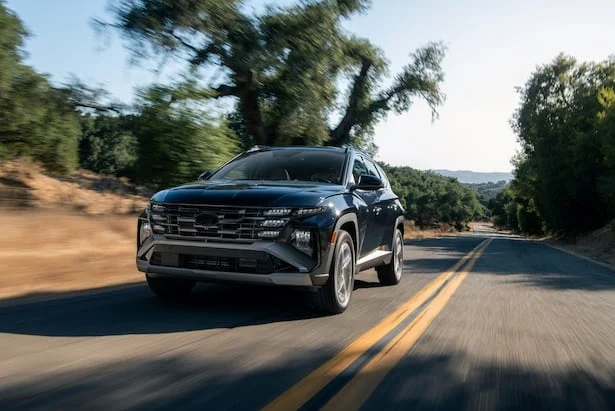
After setting a 11.3% share record for the full 2025 year, analysts expect Hyundai Motor to crack the 12% threshold this year, narrowing the distance to Ford and positioning the Korean group for a possible top‑three finish.
Hybrid Vehicles as the Growth Engine
The surge in hybrid sales is the primary driver behind Hyundai‑Kia’s upward trajectory. With the Inflation Reduction Act’s electric‑vehicle tax credits phasing out and fuel prices climbing, pure‑gas powertrains are losing appeal, while hybrids offer a practical middle ground.
In the first quarter, hybrid deliveries from Hyundai and Kia jumped 53.2% year‑over‑year to 97,627 units. April alone saw a record 43,392 hybrids sold – a 74.4% increase from the previous month.
Hyundai’s spokesperson, Ho Tan, told Chosun that the company is “flexibly responding to market demand by expanding its power‑train portfolio, covering the full spectrum of eco‑friendly vehicles.”
What’s Next for Hyundai in America?
As tax incentives for full electric vehicles wane, the demand for efficient, low‑emission hybrids is expected to stay robust. Hyundai’s diversified strategy – ranging from plug‑in hybrids to fully electric models – positions the group to keep gaining share, especially if fuel costs remain high.
Industry watchers will be monitoring whether the Korean automaker can sustain its momentum and finally overtake Ford for a coveted spot among the United States’ top three car manufacturers.