

Thailand’s auto output fell to its lowest in five years as exports slumped amid Middle East logistics disruptions and soaring energy costs. Read more now.
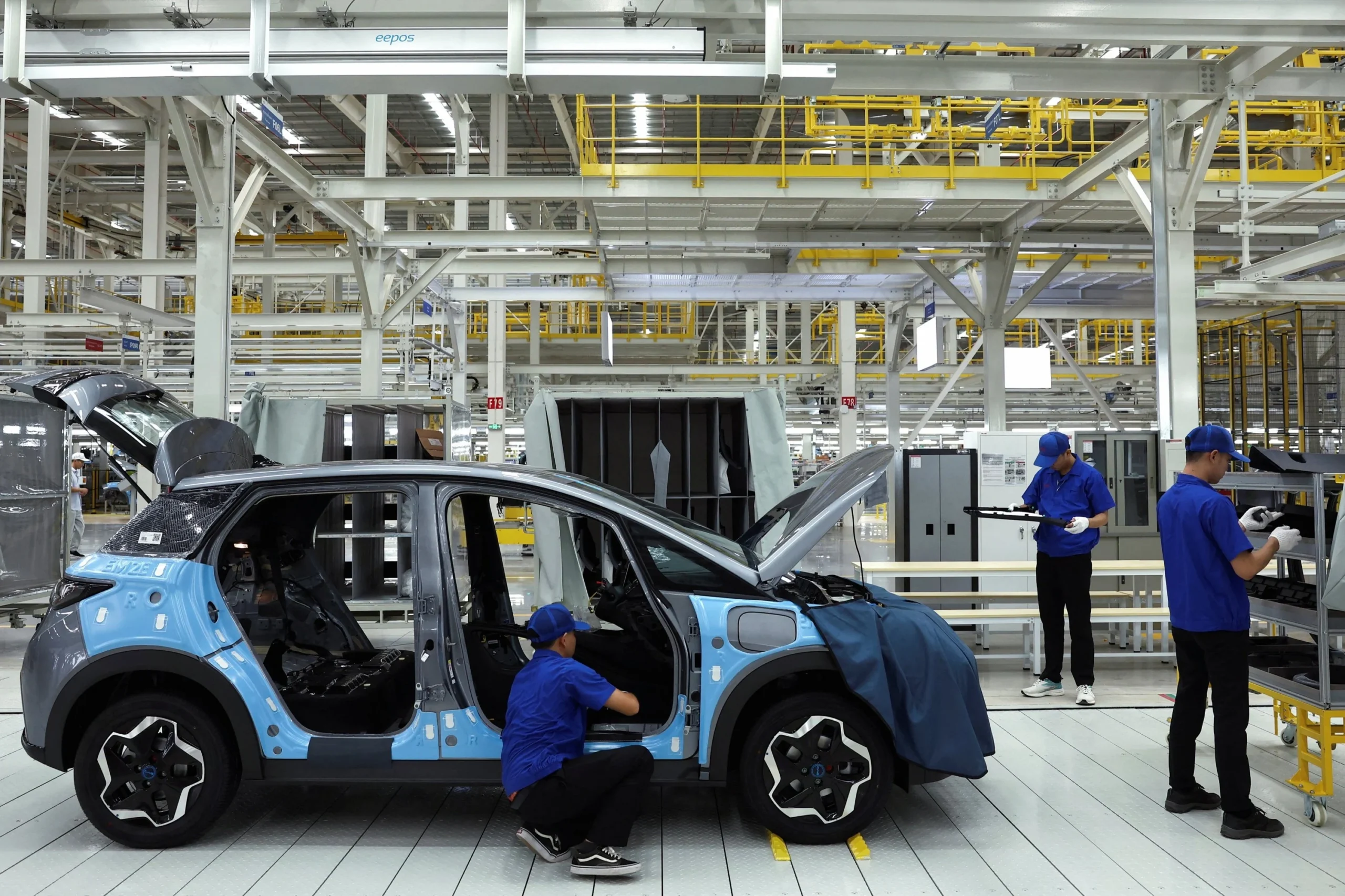
Thailand’s automotive sector recorded its weakest month in five years during April 2026, according to figures released by the Federation of Thai Industries (FTI) on May 26. Production slipped to 103,794 vehicles, a 0.44% decline from the same month last year and the lowest output since 2021.
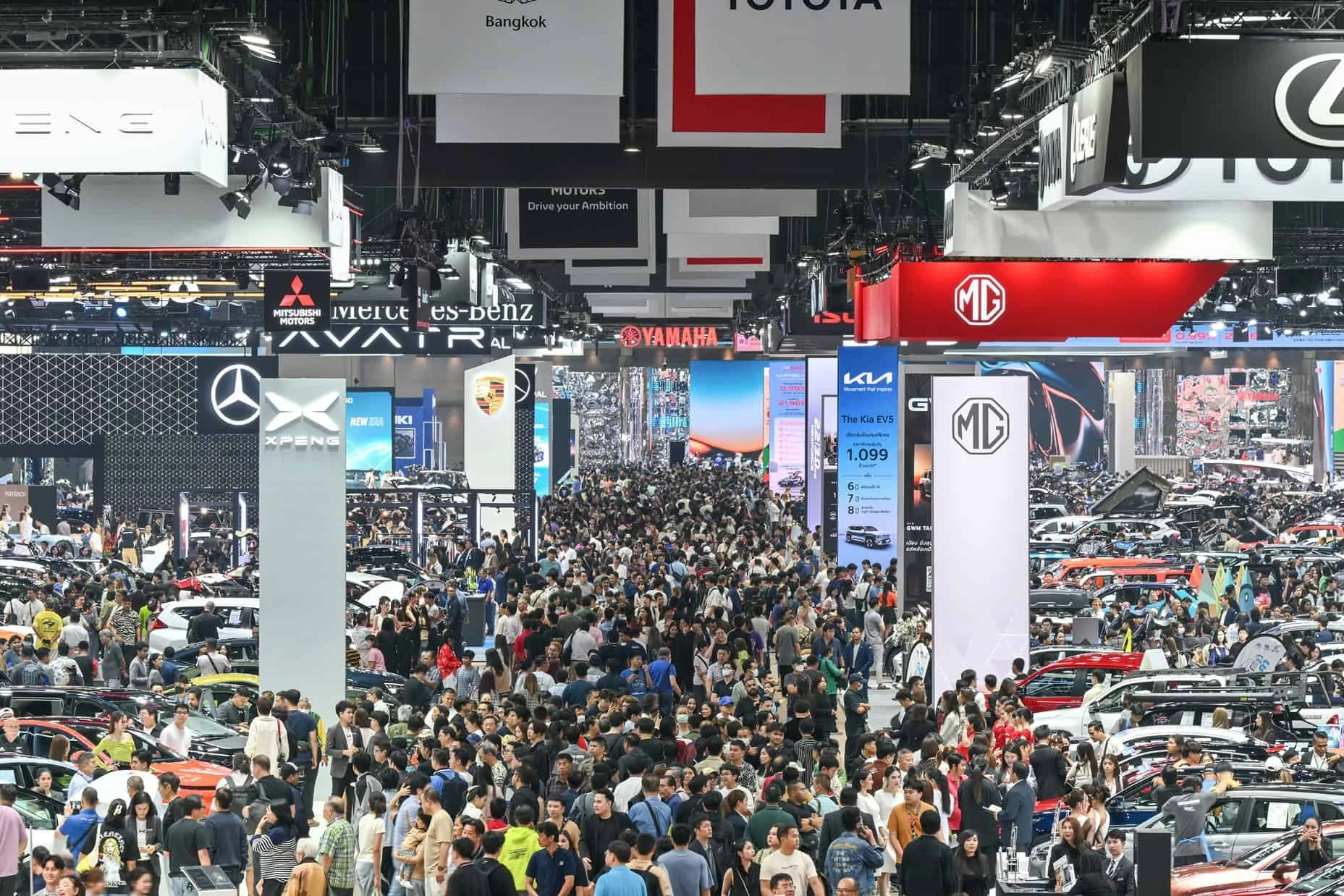
Domestic sales show resilience
Despite the overall dip, domestic sales rose 2.54% to 48,394 units. FTI Vice‑President Surapong Paisitpatanapong attributed the uptick to fresh orders generated at the Bangkok International Motor Show (BIMS) 2026, which helped offset the export slump.
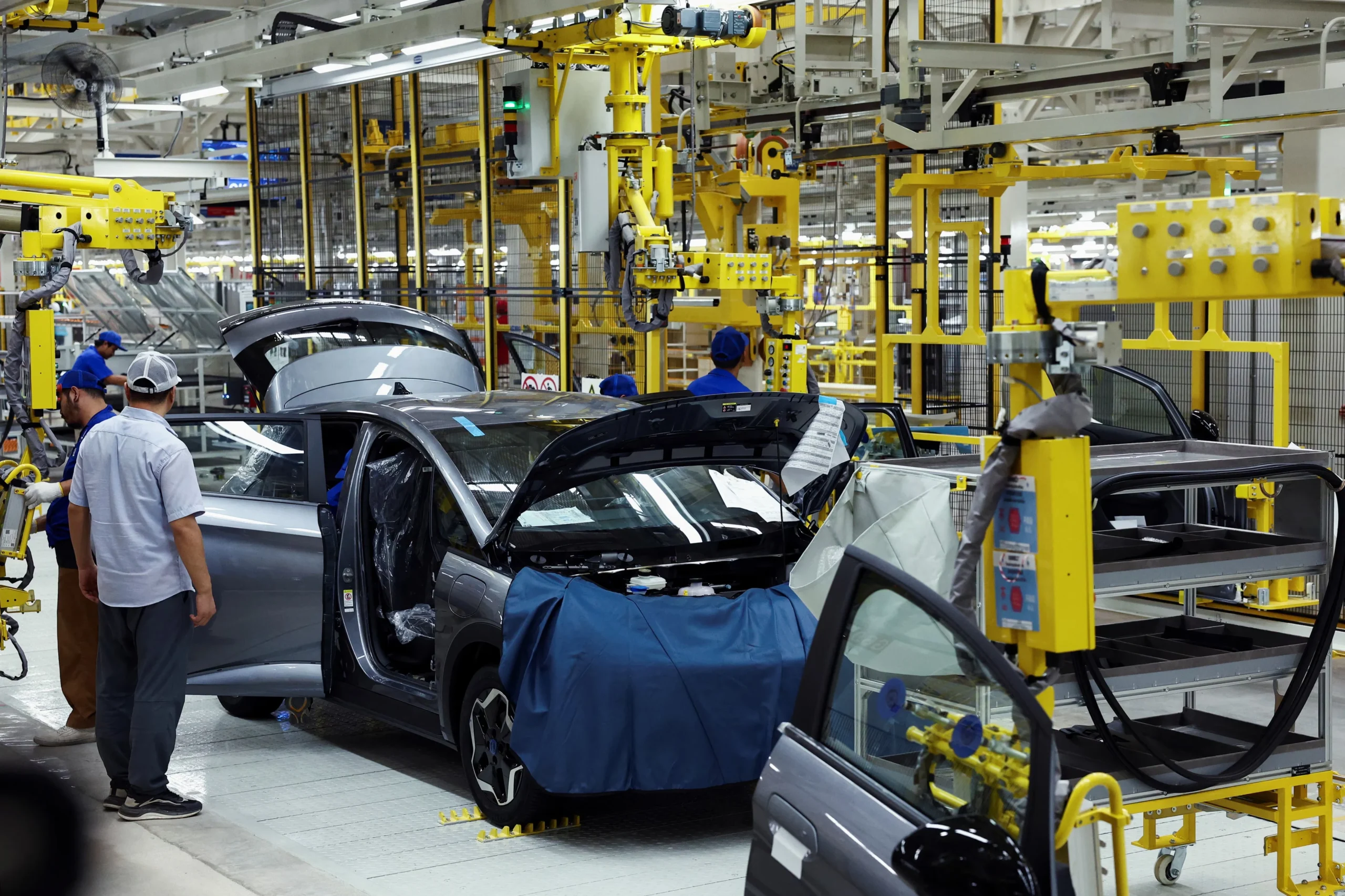
Exports plunge amid geopolitical and energy shocks
Exports tumbled 8.43% to just 60,190 vehicles. The drop is linked to logistics bottlenecks and higher freight costs caused by the ongoing conflict in the Middle East, as well as a surge in energy prices that pushed manufacturing expenses higher.
Thailand’s role in the global supply chain
As the largest car‑manufacturing hub in Southeast Asia, Thailand serves as a critical export base for multinational brands such as Toyota and Honda, as well as Chinese newcomers BYD and Great Wall Motors. In recent years, Chinese automakers have accelerated investments in the country to supply both the domestic market and overseas customers.
Outlook for 2026
Even with April’s weak performance, FTI maintains its forecast that total vehicle production for 2026 will rise about 3%, reaching roughly 1.5 million units. This follows a 0.9% dip in 2025, when output fell to 1.455 million cars.
What’s next?
Industry observers say the sector’s recovery will hinge on stabilising freight routes, easing energy costs, and continued demand from both local buyers and export markets. Stakeholders are watching closely for any shifts in the Middle East situation that could further affect logistics.