
Toyota has scrapped the next-generation Lexus pure-electric sedan to focus on SUVs amid slowing global EV demand. Read more about the shift.
Japanese automaker Toyota has announced that it will no longer pursue the next‑generation pure‑electric sedan under its luxury Lexus brand. The decision marks a strategic pivot toward sport‑utility vehicles (SUVs) and other models that better match current consumer demand.
What was the cancelled model?
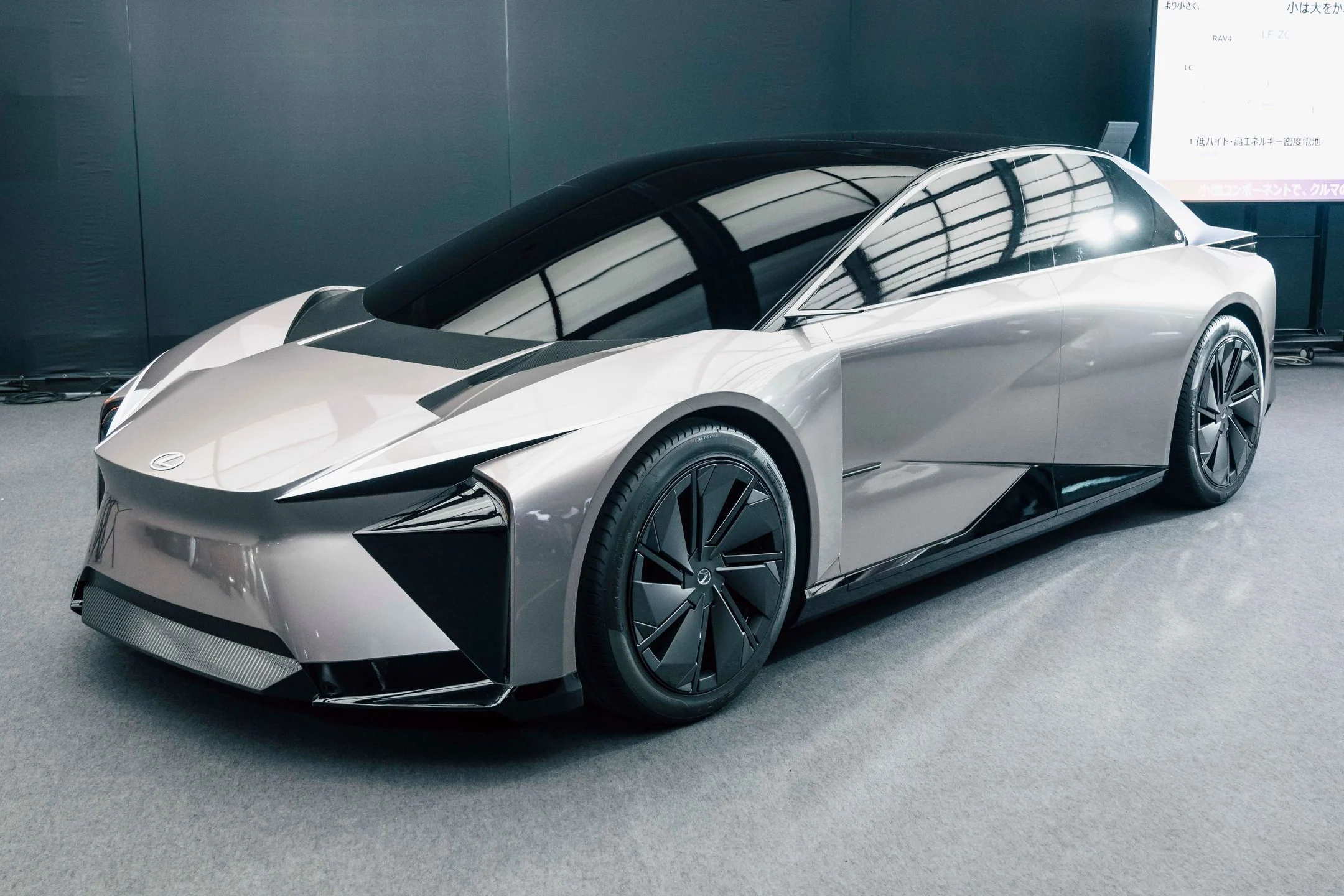
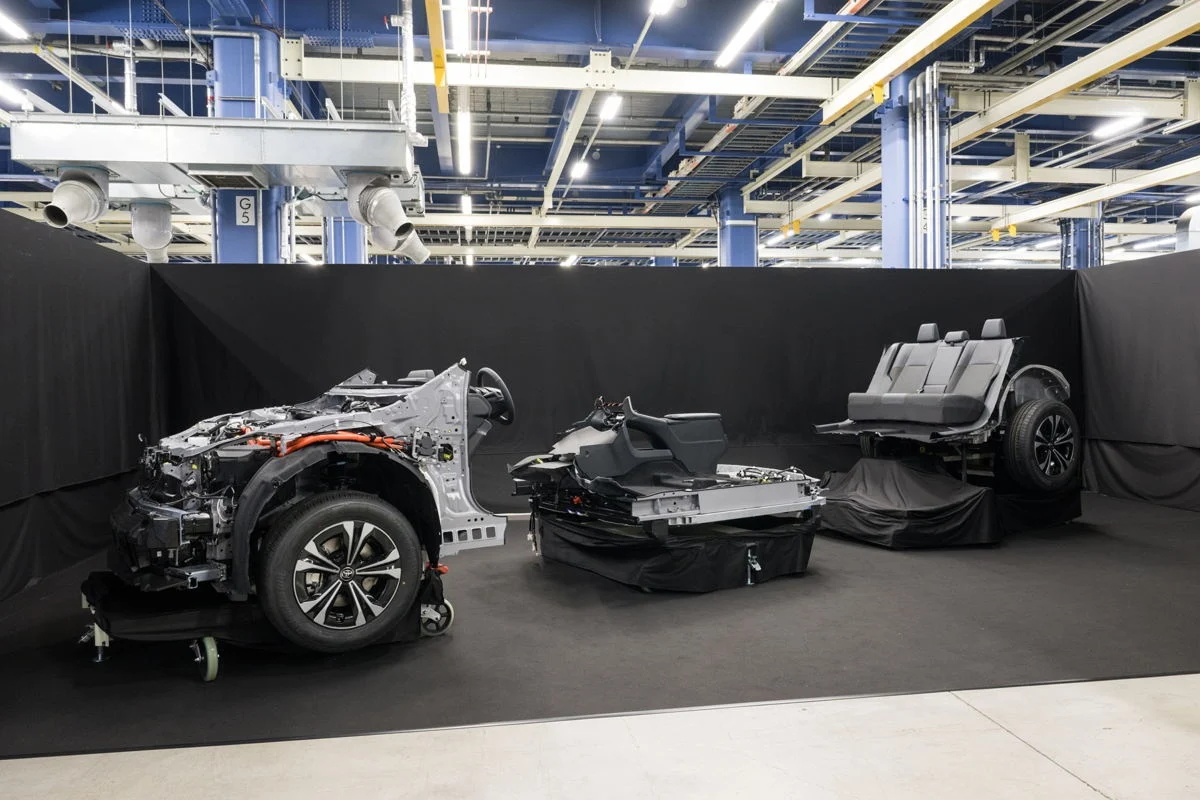
The shelved project was the production version of the Lexus LF‑ZC concept – a fully electric, four‑door sedan that Toyota had earmarked as a technological showcase for the Lexus line. The vehicle was expected to debut using Toyota’s ambitious “gigacasting” technique, a large‑scale aluminium casting process that merges dozens of components into a single structural piece, promising weight savings and lower assembly costs.
From concept to cancellation
Initial plans called for the car to be assembled at a plant in Aichi Prefecture, with series production slated for the end of the current year. However, the schedule was first pushed back to mid‑2027 before the project was ultimately halted, according to Japanese media outlet Nikkei.
Why the shift?
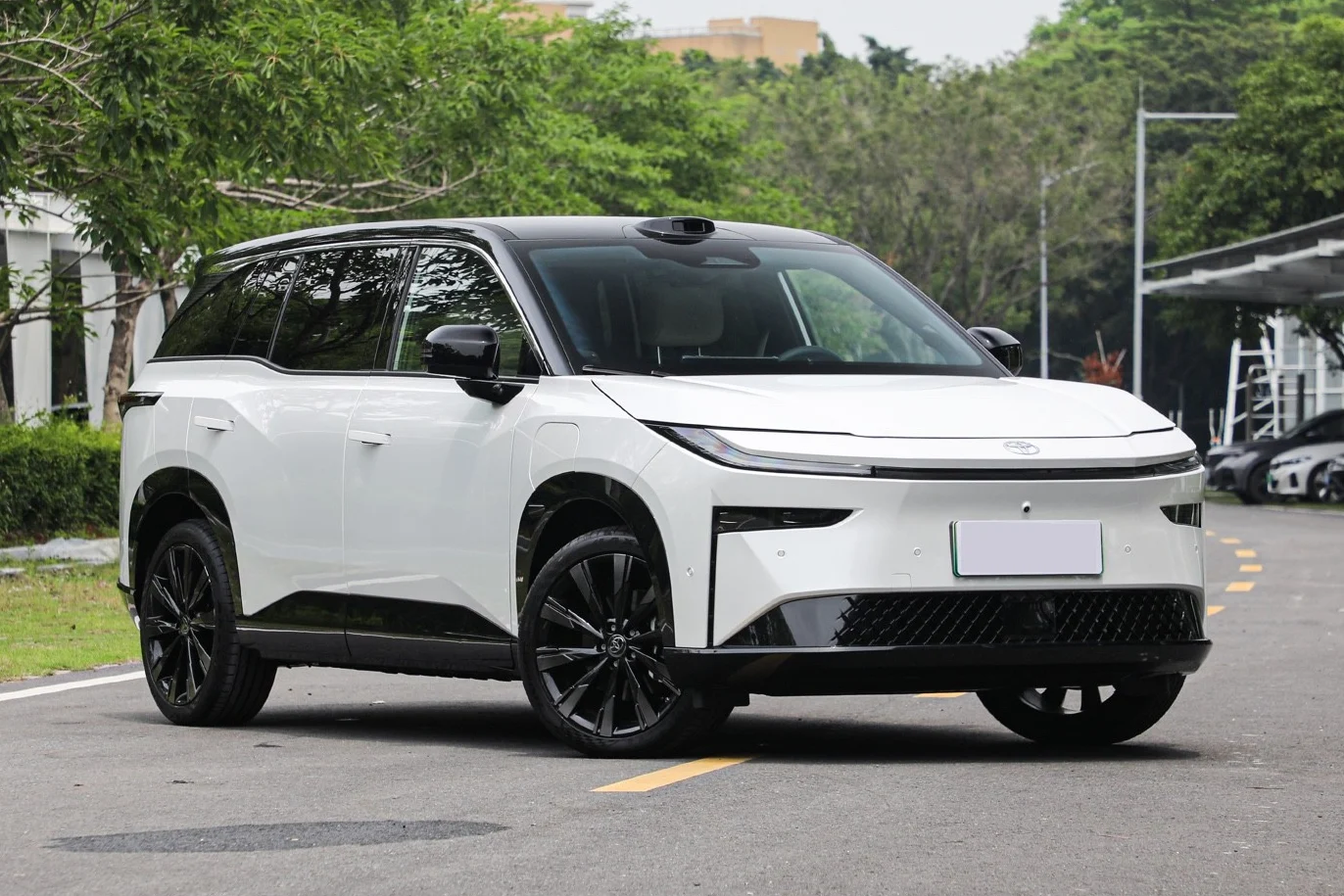
Global electric‑vehicle (EV) sales have slowed, and market research indicates that premium sedans are losing appeal to buyers who prefer the versatility of SUVs and crossovers. Toyota’s own EV figures illustrate the trend: while the company saw a 42 % rise in global EV deliveries in 2025 – largely driven by the updated bZ4X and the low‑cost bZ3X SUV aimed at the Chinese market – the overall pace of EV adoption remains uneven.
Policy headwinds
In the United States, recent policy changes have removed several tax incentives for EV purchases, dampening demand. Meanwhile, the European Union is tightening emissions regulations, with a near‑ban on new internal‑combustion‑engine cars expected from 2035, adding uncertainty for manufacturers.
Technology isn’t abandoned
Although the Lexus electric sedan is off the table, Toyota says it will continue to develop core technologies such as gigacasting and solid‑state batteries. The automaker is exploring how these innovations can be applied to higher‑volume models – especially SUVs, which are currently the fastest‑growing segment in many key markets.
Looking ahead
Analysts believe Toyota’s decision reflects a pragmatic response to market realities: luxury electric sedans may no longer be the most profitable path, while SUVs offer broader appeal and quicker returns on investment. The company’s strategy will likely focus on expanding its bZ‑series SUV lineup and integrating advanced battery and manufacturing technologies across its portfolio.
Stay tuned for further updates on Toyota’s evolving EV roadmap and how the shift could reshape the luxury electric‑car landscape.