

Toyota’s new CEO Kenta Kon aims to cut excess model variants to boost profitability. Learn which models may disappear. Read more now!
Toyota’s freshly appointed chief executive, Kenta Kon, has signaled a decisive shift in the Japanese automaker’s product strategy. After years of expanding its portfolio, the company is now looking to streamline its line‑up, reduce complexity, and improve margins.
Why Toyota’s Line‑up Has Grown Too Complex
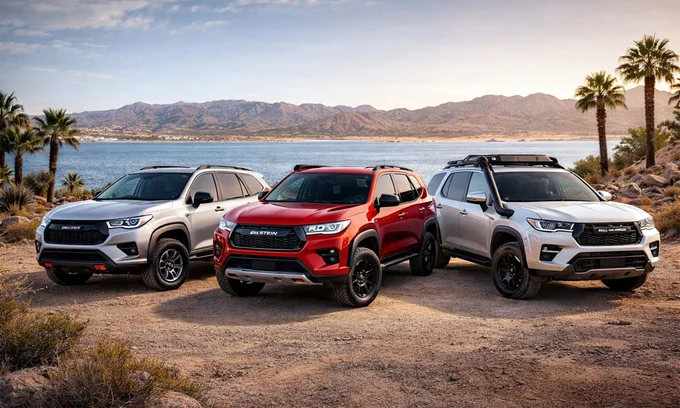
In the past decade Toyota’s catalogue has ballooned. The midsize 4Runner alone is offered in 12 distinct trims, while the flagship Grand Highlander comes in 10 variations. This proliferation of specifications and power‑train options has driven up development costs, supply‑chain complexity, and dealer inventory challenges.
What the New CEO Wants
Speaking to Autonews, Kon explained, “When you walk into the development department you see an ever‑increasing number of specs and variants, which inevitably raises costs.” His goal is to transform Toyota into a leaner, more profitable organization without abandoning the brand’s core values of reliability and choice.
Models Likely to Face the Axe
While no final decisions have been announced, industry analysts have identified several candidates that could be consolidated or discontinued:
- Toyota Mirai – a low‑volume hydrogen fuel‑cell sedan with only about 210 units sold in the U.S. in 2025.
- GR86 – despite a strong month‑end sale of 576 units, its niche appeal may be reconsidered.
- Crown – struggled in the American market, dropping 37% to 12,309 units for 2025; could be merged into the Camry or Lexus ES line‑up.
- Crown Signia – sales have doubled to 20,550, yet remain far below the 32,086 Venza units sold in 2024.
- Tundra – offers up to 10 trims and four cab configurations but only moves roughly 150,000 units annually.
In May, Toyota already cancelled the commercial‑grade version of the electric‑sedan concept Lexus LF‑ZC, originally slated for a 2027 launch, indicating a willingness to prune even high‑profile projects.
What Stays – A Balanced Power‑train Portfolio
Kon emphasized that Toyota will not “slam on the brakes” for alternative‑drive options. Gasoline, hybrid, plug‑in hybrid, and even a few diesel models will continue to coexist, ensuring the brand does not place all its bets on a single technology.
Potential Impact on Buyers and Dealers
By reducing overlapping trims, Toyota aims to:
- Lower production and inventory costs.
- Offer clearer, more compelling choices to customers.
- Free up engineering resources for next‑generation electric and autonomous vehicles.
Dealers may see a tighter selection of models on the showroom floor, but with more focus on the best‑selling variants.
Looking Ahead
The coming months will reveal which specific trims survive the purge. For now, the automotive world watches as Toyota attempts to balance its legendary breadth with the need for efficiency in a rapidly evolving market.