

Vietnam’s new child car seat regulations take effect on July 1, requiring kids under 10 and under 135 cm to use approved safety seats in the back. Learn the standards, installation tips, and top seat options – choose the safest ride for your child today!
Starting July 1, 2024, Vietnam’s traffic safety law will require every child under 10 years old and under 135 cm tall to be secured with an approved child‑car‑seat system in the rear seats of a vehicle. Drivers who fail to comply face fines ranging from VND 800,000 to VND 1,000,000.
What the New Law Actually Demands
The regulation does not prescribe a specific brand or model; it simply mandates the use of a “safety device” that protects a child in a seated or reclined position during a crash or sudden deceleration. In practice, this means any seat that meets internationally recognised standards and can be securely anchored to the vehicle.
International Standards You Should Look For
- ECE R44 or ECE R129 (i‑Size) – European standards that test head, neck and torso protection from multiple impact angles.
- FMVSS 213 – The United States standard for child restraint systems.
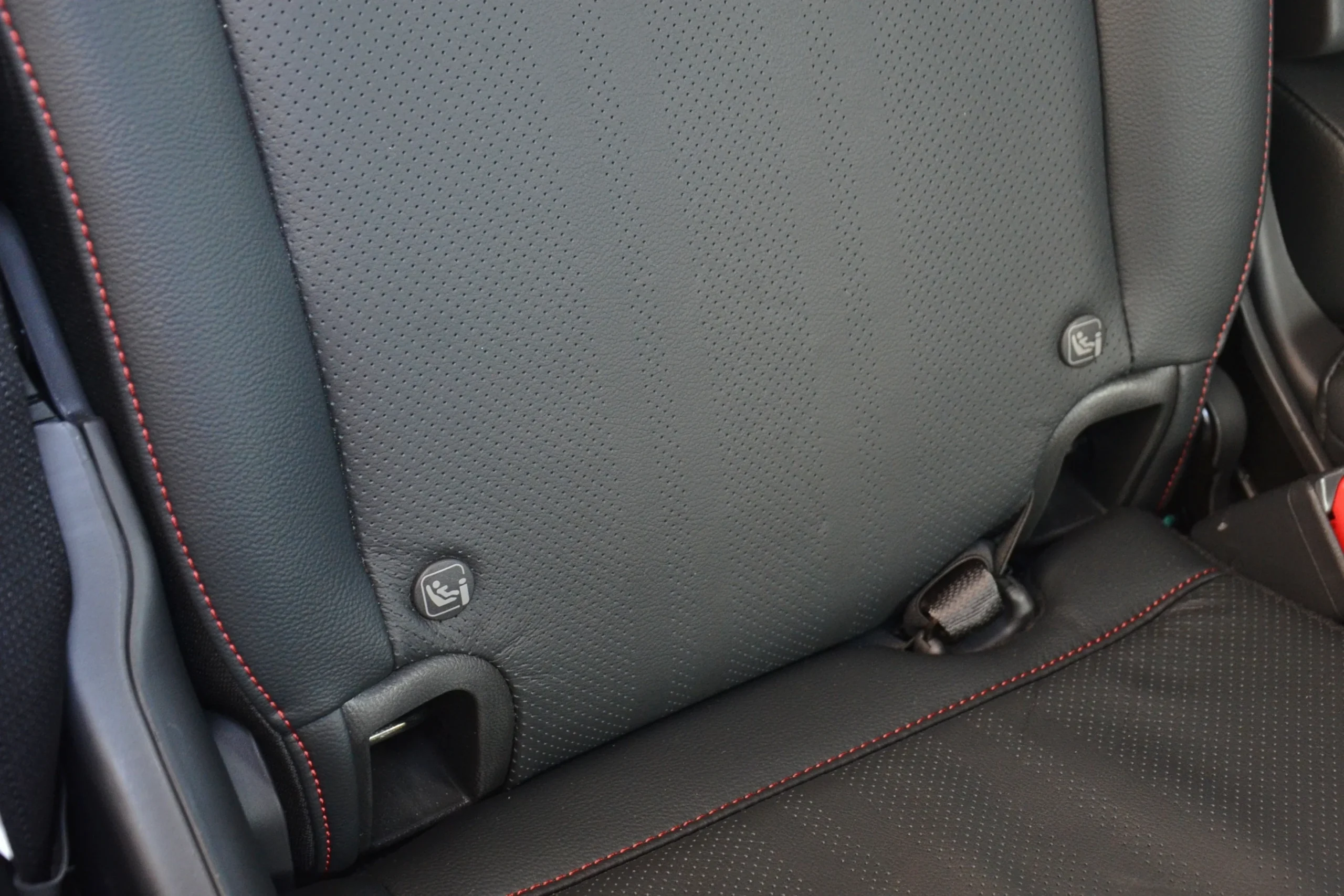
All of these standards require the use of ISOFIX (known as LATCH in the U.S.) anchorage points to minimise movement of the seat during a crash.
Types of Seats That Meet the Requirements
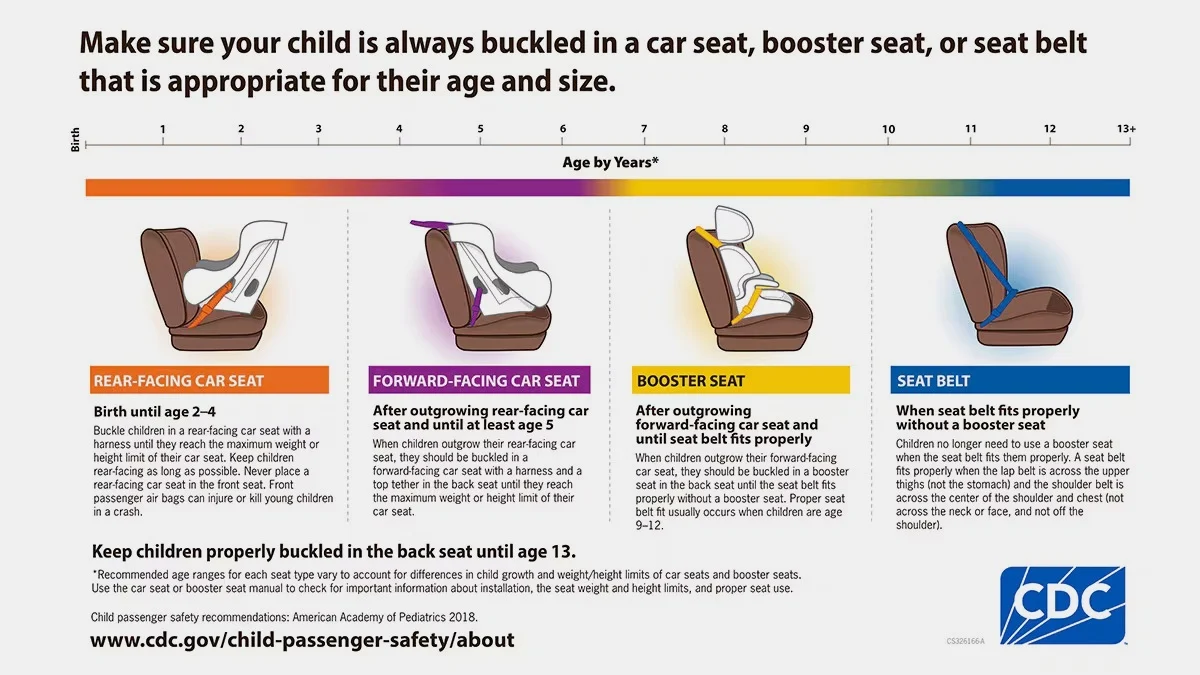
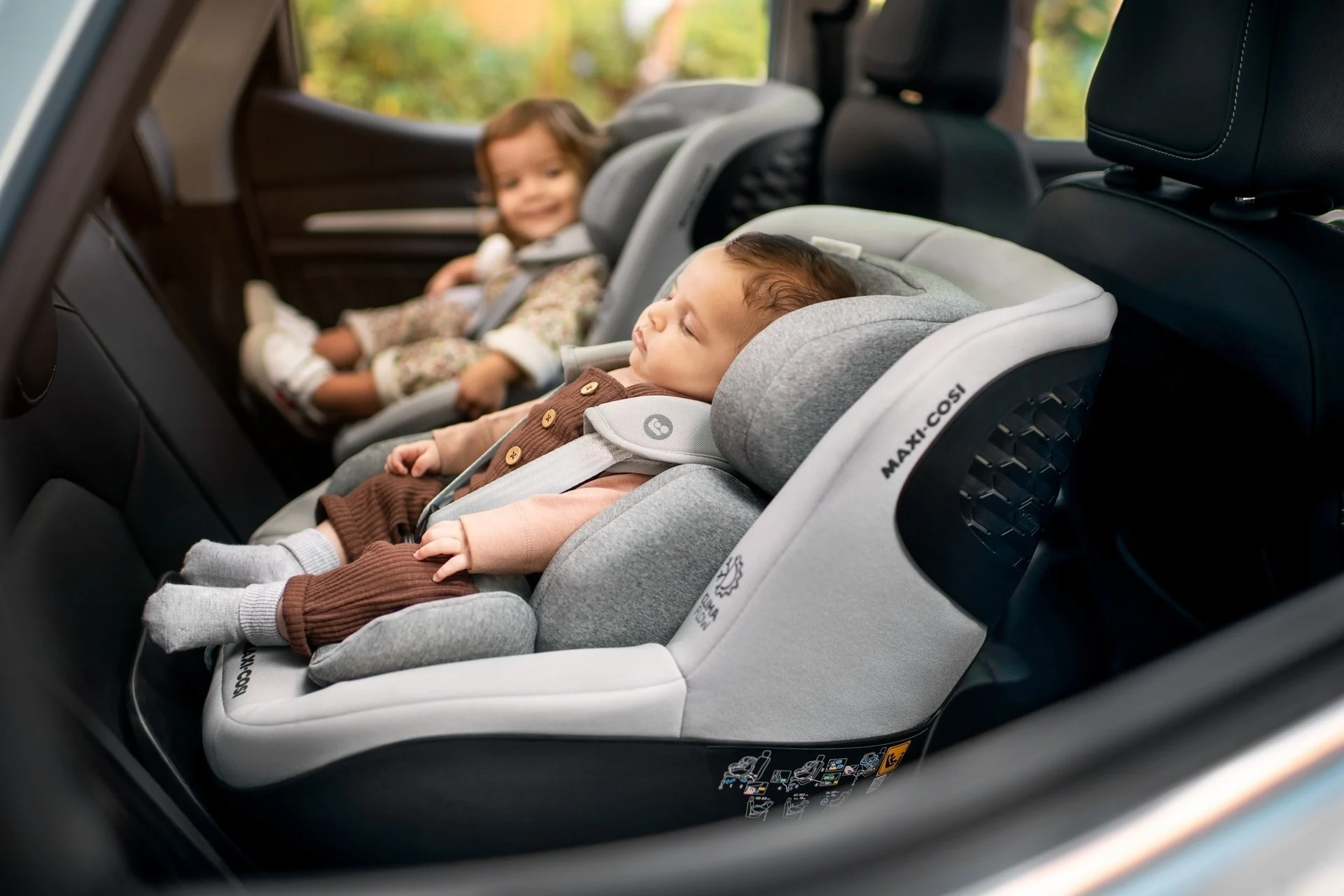
- Rear‑Facing Car Seats – Ideal for newborns up to 2‑4 years old. They protect the head, neck and spine by distributing crash forces across the entire back.
- Forward‑Facing Car Seats – Suitable for children aged 2‑5 years once they have outgrown the rear‑facing limit.
- Booster Seats – Used from about 5 years old up to 13 years (or until the child reaches 135 cm), they raise the child so the vehicle’s seat belt fits correctly.
Choosing the Right Seat for Your Child
Guidelines from the U.S. Centres for Disease Control and Prevention (CDC) are a useful reference:
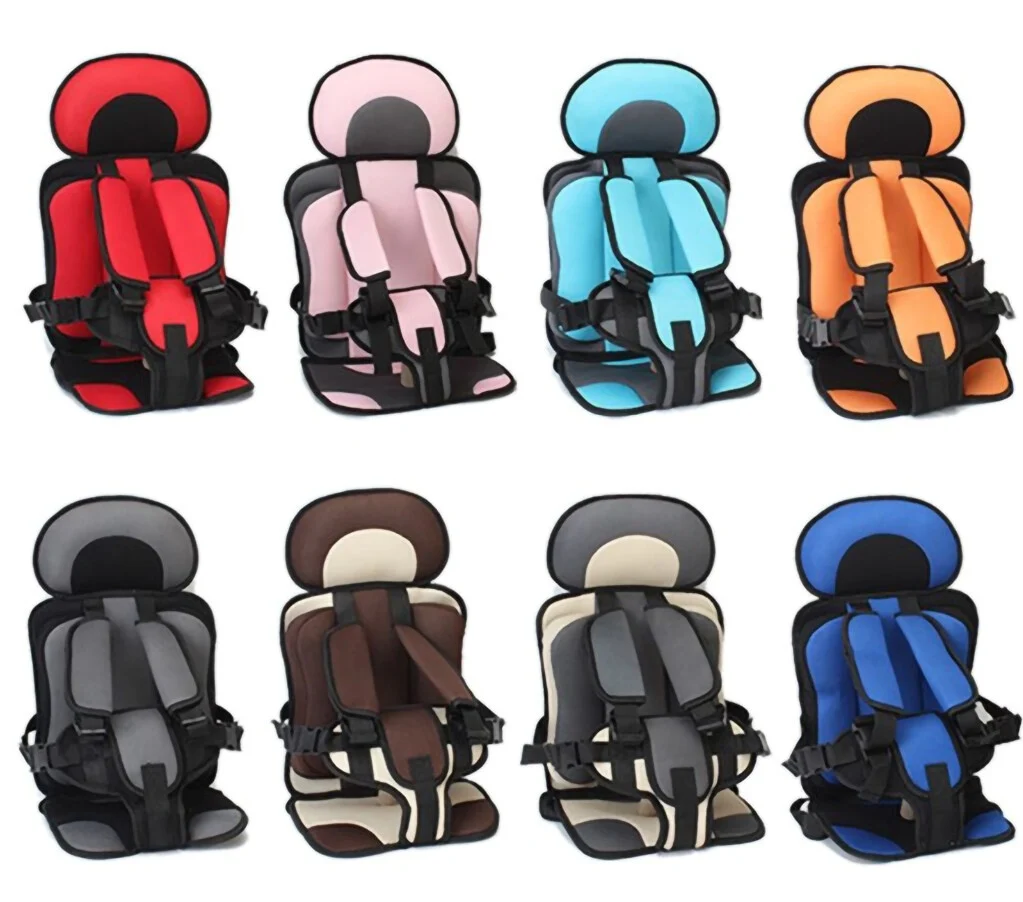
- Birth to 2‑4 years: Rear‑facing seat is mandatory.
- 2‑5 years: Transition to a forward‑facing seat with a five‑point harness.
- 5‑13 years: A booster seat is recommended, provided the child’s height and weight are within the seat’s limits.
Regardless of the type, always verify that the harness, buckles and any side‑impact protection can be securely tightened for your child’s size.
Installing Seats in Older Vehicles Without ISOFIX
Many older cars lack built‑in ISOFIX anchors, but that does not mean a child seat cannot be used. You can install a seat using the vehicle’s regular three‑point seat belt, following the manufacturer’s instructions carefully. Most reputable brands design their seats to be compatible with both ISOFIX and belt‑install methods.
Where to Buy and What to Expect Price‑wise
In Vietnam, the market offers a broad spectrum of options:
- Local and regional brands from China and South Korea typically range from VND 2 million to VND 5 million.
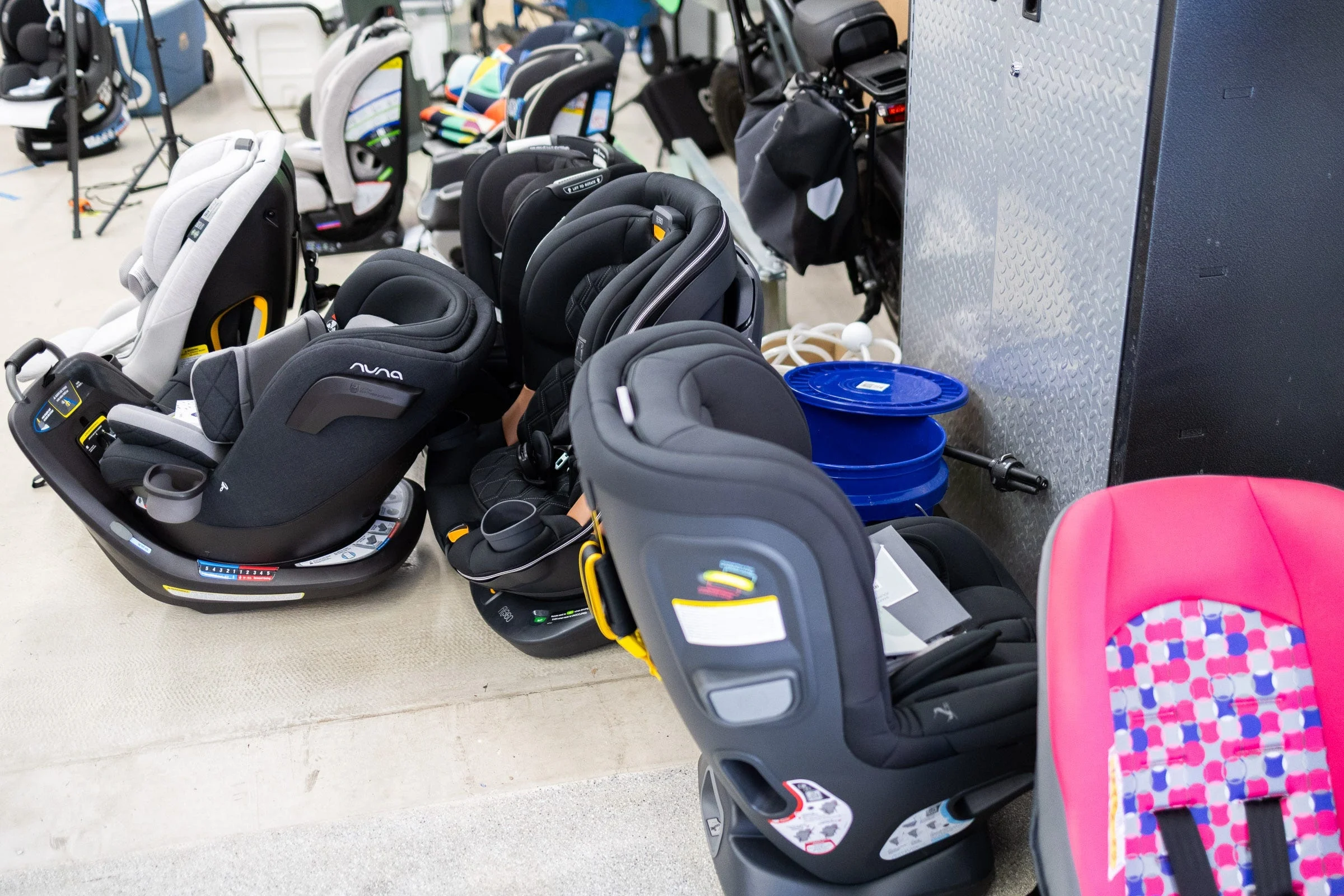
- European premium brands such as Cybex, Maxi‑Cosi, Joie and Nuna are available through specialist retailers and e‑commerce platforms, often priced between VND 7 million and VND 15 million.
- High‑end models can exceed VND 20 million and may include features like 360° rotation, integrated cup holders, steel frames, or built‑in audio systems.
Cheaper seats may lack advanced energy‑absorbing materials (e.g., EPS/EPE foam) and robust metal frames, but they can still meet safety standards if they carry the appropriate certification label. Always check for the ECE or FMVSS certification sticker before purchasing.
Key Safety Tips for Parents
- Confirm that the seat’s label displays a valid ECE R44, ECE R129 or FMVSS 213 certification.
- Inspect the anchorage method – ISOFIX is preferred, but a correctly installed belt‑mounted seat is acceptable.
- Check the seat’s weight‑and‑height limits and match them to your child’s current measurements.
- Make sure the harness is snug – you should not be able to pinch any slack between your fingers.
- Regularly re‑tighten the installation after every trip, as vibrations can loosen the system.
- Replace any seat that has been involved in a moderate or severe crash, even if no visible damage is apparent.
Ultimately, the best choice balances cost, comfort and, most importantly, compliance with the safety standards that protect your child in every journey.